Sulmona, Italy
- 21,086 people
- 15 places to visit
- 42.0513, 13.9278
Places to Visit (15)
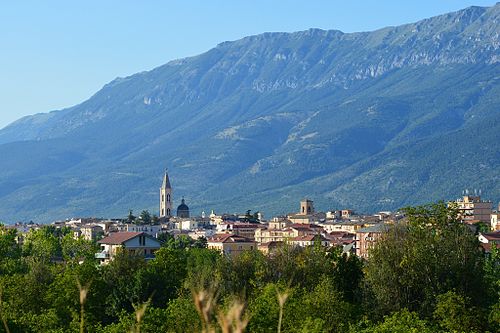
Sulmona is a picturesque town located in the Abruzzo region of Italy, known for its stunning medieval architecture, rich history, and vibrant local culture. Nestled in the valley of the Peligna River and surrounded by the majestic Apennine Mountains, Sulmona serves as the capital of the province of L’Aquila. It has been a significant settlement since ancient times, with historical roots tracing back to the Samnite civilization, and it is noted for being the birthplace of the Roman philosopher and poet Ovid, who is celebrated for his influential works in the 1st century BC.
The town is characterized by its charming cobbled streets, beautiful piazzas, and historical landmarks. Noteworthy sites include the 13th-century Cathedral of San Panfilo, which features a stunning rose window and a bell tower, as well as the Piazza Garibaldi, where locals and visitors gather to enjoy the vibrant atmosphere. Sulmona is also famous for its production of confetti, sugar-coated almonds that are often used in weddings and celebrations, which have been crafted in the town for centuries. This unique local confectionery has earned Sulmona the title of "City of Confetti," attracting tourists eager to sample these sweet treats.
In addition to its historical and culinary offerings, Sulmona hosts various cultural events throughout the year, including the traditional Giostra Cavalleresca, a local jousting competition that reenacts medieval festivities, and the Sagra della Giuggiola, celebrating the jujube fruit that is native to the area. The town's proximity to national parks and outdoor recreational areas like the Majella National Park provides opportunities for hiking, skiing, and enjoying the natural beauty of Abruzzo. With its blend of history, culture, and stunning landscapes, Sulmona remains a hidden gem in Italy, capturing the charm of traditional Italian life while inviting visitors to explore its rich heritage.
Facts about Sulmona
- Sulmona is famous for its sugary confetti, known as 'confetti di Sulmona,' which are traditional candies used in weddings and celebrations.
- The city is home to the ancient Roman aqueduct, known as the Acquedotto Medievale, which is an impressive example of medieval engineering.
- Sulmona is the birthplace of the poet Ovid, who is celebrated for his works in Roman literature, particularly 'Metamorphoses.'
- The city hosts the annual 'Corsa degli Zingari,' a race that takes place on the day of the patron saint San Panfilo, which dates back to ancient traditions.
- Sulmona is set against the stunning backdrop of the Majella Mountain range, making it a unique destination for both nature enthusiasts and history buffs.
- It features a well-preserved medieval center with charming piazzas, such as the Piazza Garibaldi, and beautiful Renaissance architecture.
- Sulmona is known for its biodiverse natural park, the Parco Nazionale della Majella, which is home to rare species and scenic landscapes.
- The city has a rich tradition of artisan craftsmanship, especially in goldsmithing and pottery, distinguishing it from other towns.
- Sulmona has been a significant center for the production of fine textiles, particularly silk, dating back to the Middle Ages.
- It is also recognized for its annual 'Festival della Tradizione,' which celebrates local culture, music, and gastronomy, offering a unique insight into Abruzzese heritage.