Sumaré, Brazil
- 286,211 people
- 14 places to visit
- -22.8244, -47.2708
Places to Visit (14)
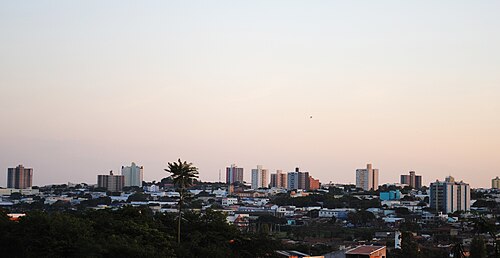
Sumaré is a city located in the state of São Paulo, Brazil, approximately 120 kilometers northwest of the state capital, São Paulo. It is situated within the metropolitan region of Campinas, which has a significant economic and industrial presence. Founded on November 21, 1965, Sumaré was created through the emancipation of a part of the municipality of Campinas and has since developed into a vibrant urban area with diverse economic activities. The city’s name, which means "to roam" in the indigenous Tupi language, reflects its historical roots and the cultural heritage of the region.
The city's demographic profile shows a steady growth, with an estimated population of around 300,000 residents. Sumaré is characterized by its diverse population, which includes people from various backgrounds and cultures. The local economy is primarily driven by industry, commerce, and services, with several manufacturing companies and logistic firms establishing operations in the area due to its strategic location and infrastructure. Sumaré benefits from a well-developed transport network, including highways and railroads, facilitating trade and mobility. The city also hosts some educational institutions, improving access to quality education for its inhabitants.
In terms of recreation and cultural life, Sumaré offers various parks, sports facilities, and community events that promote social interaction and engagement within the community. The city celebrates traditional Brazilian festivities, including Carnaval and local religious festivals, which play an essential role in preserving its cultural identity. As Sumaré continues to evolve, it remains an integral part of the Campinas metropolitan region, contributing to its economic vitality and cultural richness.
Facts about Sumaré
- Sumaré is known for its significant role in the automotive industry, being home to important production plants including those of Volkswagen and Ford.
- The city was officially founded on November 21, 1953, but it has origins dating back to the late 19th century as a rural settlement.
- Sumaré is located in the São Paulo metropolitan area and is characterized by its rapid urbanization and economic growth, distinguishing it from many smaller cities in Brazil.
- The city hosts the Parque Municipal Città Di Marostica, a large urban park that emphasizes the area's commitment to green spaces and recreation.
- Sumaré is culturally diverse, with a strong presence of Italian and Portuguese communities, which influence its local cuisine and festivals.
- The municipality has a strong educational system, with several institutions of higher education and specialized technical schools that attract students from surrounding regions.
- Sumaré is celebrated for hosting several annual festivals and events, including cultural celebrations that promote local art, music, and gastronomy.
- The region is known for its favorable climate, contributing to agricultural activities such as sugarcane and orange cultivation, important to Brazil's economy.
- Sumaré has developed a robust infrastructure in recent years, significantly improving transportation and accessibility compared to many other cities in Brazil.
- In 2020, Sumaré was noted for its initiatives in smart city technology, including urban mobility solutions and environmental sustainability projects.