Sumbawanga, Tanzania
- 303,986 people
- 6 places to visit
- -7.9489, 31.6169
Places to Visit (6)
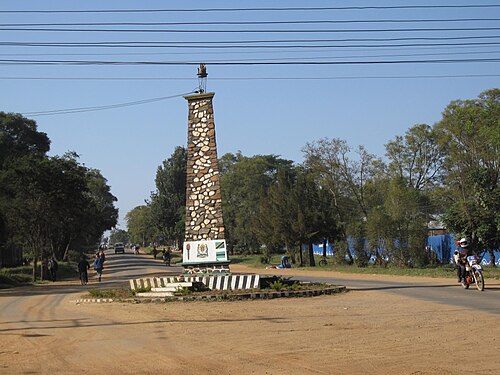
Sumbawanga is a city located in the southwestern region of Tanzania and serves as the capital of the Rukwa Region. Nestled on the shores of Lake Rukwa, Sumbawanga is an important economic and administrative center for the surrounding rural areas. The city is predominantly inhabited by the Wazaga people, along with other ethnic groups that contribute to a rich cultural diversity. Sumbawanga’s geography features a picturesque landscape, characterized by mountainous terrain, fertile valleys, and the nearby lake, which plays a significant role in the local economy, particularly in fishing and agriculture.
The economy of Sumbawanga is largely influenced by agriculture, with crops such as maize, beans, and cassava being commonly cultivated in the surrounding areas. The fertile land and favorable climate promote agricultural productivity, while residents engage in subsistence farming and trade. In addition to agriculture, small-scale industries and commerce are prevalent, with local markets serving as vital hubs for trade. Sumbawanga also has a growing reputation for its mineral resources, some of which attract attention from investors looking to explore the mining potential in the region.
Transportation links are crucial for Sumbawanga’s connectivity, as the city is accessible through road networks connecting it to major urban centers, including Mbeya and Kapiri Mposhi in Zambia. The nearby port of Lake Rukwa facilitates water transport, enhancing trade opportunities. In terms of education and healthcare, Sumbawanga hosts several institutions that serve both urban and rural populations, contributing to the development of the region. With its blend of natural beauty, cultural richness, and economic activity, Sumbawanga stands as a significant urban locality within Tanzania's diverse landscape.
Facts about Sumbawanga
- Sumbawanga is the capital of the Rukwa Region in southwestern Tanzania, making it a key administrative center for this part of the country.
- The city is located near the shores of Lake Tanganyika, which is one of the deepest lakes in the world and provides a unique biodiversity and fishing opportunities.
- Sumbawanga has a diverse cultural heritage, influenced by various tribes including the Sumbawanga, Ngoni, and other ethnic groups that celebrate their unique traditions and festivals.
- The city is home to the Sumbawanga Cathedral, an architectural landmark that serves as a significant place of worship for the local Christian community.
- Sumbawanga is known for its agricultural base, particularly in the production of crops like maize, beans, and cassava, which contribute to the local economy.
- The Rukwa Valley, where Sumbawanga is located, has historically been a trade route, facilitating commerce between Tanzania and neighboring countries such as Zambia.
- Sumbawanga has an annual cultural festival known as the Sumbawanga Agricultural Show, which showcases local agricultural products and promotes farming innovation.
- The city has a notable presence of wildlife tourism nearby, with several national parks and game reserves in the surrounding areas, attracting nature enthusiasts.
- Sumbawanga is known for its unique linguistic diversity, with Swahili being the official language, but many local dialects are spoken among the various tribes.
- The St. Augustine University of Tanzania has a campus in Sumbawanga, contributing to higher education opportunities in the region.