Sumbe, Angola
- 205,832 people
- 1 places to visit
- -11.2122, 13.8477
Places to Visit (1)
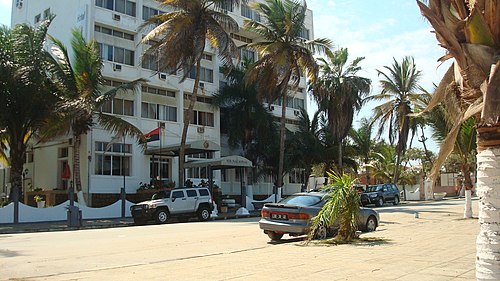
Sumbe is a coastal city located in the Cuanza Sul province of Angola, approximately 300 kilometers south of the capital city, Luanda. It is positioned along the Atlantic Ocean, providing a strategic location for trade and fishing. Historically, Sumbe was known as "Sambizanga" during the colonial period and served as a significant port for shipping goods and materials. The city has a tropical climate, characterized by a wet season from November to April and a dry season from May to October. This climate supports a range of agricultural activities in the surrounding areas, with crops such as cassava, maize, and beans being cultivated.
The population of Sumbe has been growing steadily, and estimates suggest it is home to over 100,000 residents. The city is culturally vibrant, with a mix of ethnic groups and traditions. Key economic activities in Sumbe include fishing, agriculture, and trade, with fishing being particularly important given its coastal location. The local economy also benefits from tourism, as visitors are drawn to its beaches, historical landmarks, and natural scenery. Notable attractions include the nearby beaches of Praia da Baía and Praia de Mambo, which offer opportunities for relaxation and water sports. Additionally, Sumbe has been developing its infrastructure in recent years, with improvements to roads, healthcare, and education facilities, aimed at enhancing the quality of life for its residents and fostering economic growth.
Facts about Sumbe
- Sumbe is the capital of the Cuanza Sul province and is known for its scenic coastal location along the Atlantic Ocean.
- The city is home to the historic Fort of São Miguel, which dates back to Portuguese colonial times and offers views of the surrounding area.
- Sumbe boasts a vibrant local fish market, making it one of the key fishing hubs in Angola, renowned for its fresh seafood.
- The city hosts an annual cultural festival that highlights Angolan music, dance, and food, celebrating its rich cultural heritage.
- Sumbe is known for its beautiful beaches, particularly Praia da Nenumbo, which is popular among both locals and tourists for relaxation and recreation.
- Historically, Sumbe was a significant area for agricultural production, particularly in cassava and bananas, contributing to local sustenance and economy.
- The city has a diverse demographic, with a mix of indigenous Angolans and various communities, contributing to its unique cultural fabric.
- Sumbe’s proximity to the Cuanza River makes it an important location for transportation and trade within the region.
- The local architecture in Sumbe reflects a blend of traditional Angolan styles and Portuguese colonial influences, making it visually distinctive.
- Sumbe is also recognized for its educational institutions, including several technical schools that focus on vocational training in agriculture and fisheries.