Sumy, Ukraine
- 259,660 people
- 5 places to visit
- 50.9077, 34.7981
Places to Visit (5)
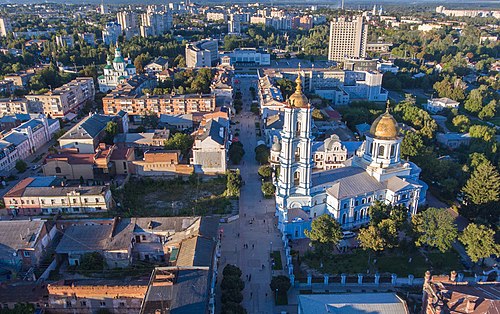
Sumy is a city located in the northeastern part of Ukraine, serving as the administrative center of Sumy Oblast. Situated near the border with Russia, Sumy lies approximately 300 kilometers northeast of Kyiv, the capital of Ukraine. The city, which was founded in the early 17th century, has a rich history influenced by various cultures and nations. Its name is believed to derive from the word "sumka," a reference to a bag or pouch, which symbolizes the traditional lifestyle of the region’s inhabitants in the past. Over the years, Sumy’s economy has evolved, with significant contributions from industries such as machinery, textiles, and food processing, along with a growing focus on services and education.
The urban landscape of Sumy features several parks, monuments, and an array of architectural styles that reflect its historical significance. Notable attractions include the beautiful Transfiguration Cathedral, which showcases a blend of baroque and classical architecture, and the impressive Shevchenko Park, a popular recreational area that provides residents and visitors with green spaces and cultural events. Sumy is also home to several higher educational institutions, which contribute to its vibrant youthful atmosphere and foster a skilled workforce. The city boasts a diverse cultural scene, with theaters, museums, and annual festivals celebrating local traditions and heritage. With a population of roughly 260,000, Sumy embodies a blend of rich history, industrial innovation, and cultural vibrancy, making it a significant urban center in Ukraine.
Facts about Sumy
- Sumy is known for its remarkable green spaces, including parks like the Gorky Park and the Sumerki Park, which are popular recreational areas for both locals and visitors.
- The city is home to the iconic Sumy Regional Art Museum, which features a diverse collection of artworks and notable exhibitions that reflect the region's cultural heritage.
- Sumy hosts an annual International Jazz Festival, attracting musicians and fans from all around the world, showcasing the city's vibrant music scene.
- The city played a significant role during World War II, particularly during the Battle of Sumy in 1941, which highlighted its strategic importance.
- Sumy is famous for its unique architectural style, featuring a blend of Baroque, Classicism, and modern constructivist designs, particularly visible in the city center.
- The Sumy National Agrarian University is one of the leading educational institutions in Ukraine, contributing significantly to the city's reputation as a center for agricultural education and research.
- Sumy is distinguished by its numerous historic churches and cathedrals, such as the Voskresensky Cathedral, a notable example of Neo-Byzantine architecture.
- The city has a rich history in the production of traditional Ukrainian handicrafts, especially in textiles and pottery, which can be found in various local markets.
- Sumy is situated at the junction of important transport routes, making it a key logistical hub in northeastern Ukraine, facilitating trade and travel.
- The famous Sumy poet and writer, Vasyl Symonenko, who became a notable figure in Ukrainian literature, was born here, adding to the city's cultural significance.