Sunderland, United Kingdom
- 170,134 people
- 18 places to visit
- 54.9069, -1.3838
Places to Visit (18)
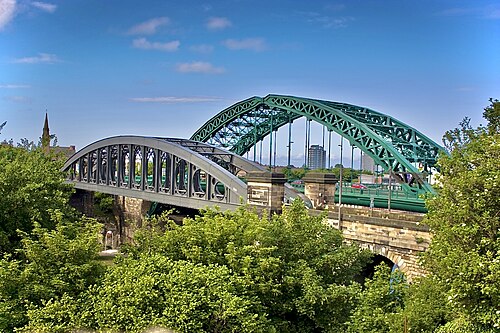
Sunderland is a city located in Tyne and Wear, England, primarily on the northern shore of the River Wear, about 12 miles southeast of Newcastle upon Tyne. With a rich industrial history, Sunderland gained prominence during the 19th century as a key center for shipbuilding and coal mining. The city became known for its shipyards, with the largest, the Sunderland Shipbuilders, establishing itself as one of the leading shipbuilding facilities in the world by the turn of the century. Although the decline of these industries in the late 20th century resulted in significant economic challenges, Sunderland has since diversified its economy, with modern sectors such as automotive, digital technology, and education playing increasingly vital roles.
Sunderland boasts a variety of cultural and historical attractions. The National Glass Centre celebrates the city's glassmaking heritage, providing interactive exhibits that showcase the art and techniques of glass production. The city is also home to the Sunderland Museum and Winter Gardens, which features diverse exhibitions, including local history, fine art, and a stunning indoor garden that hosts tropical plants. Sunderland's seafront, featuring the popular Roker beach and Seaburn promenade, is another highlight, drawing residents and visitors alike. The city is also known for its vibrant community and high-profile events, including the Sunderland International Airshow, one of the largest free airshows in Europe. The presence of the University of Sunderland contributes to the intellectual and cultural fabric of the city, fostering innovation and attracting students from various backgrounds.
In recent years, Sunderland has seen significant investment in redevelopment projects aimed at revitalizing its urban areas and improving the quality of life for its residents. The Sunderland Strategic Transport Corridor project and other infrastructure initiatives have enhanced connectivity, while developments like the Riverside Sunderland initiative focus on creating a dynamic urban waterfront. These efforts reflect the city's ambition to evolve and adapt in the 21st century while maintaining its unique character and rich heritage. With its blend of historical significance, cultural offerings, and ongoing regeneration, Sunderland is a city in transition, striving to establish itself as a thriving hub for business, culture, and innovation in the region.
Facts about Sunderland
- Sunderland is home to the National Glass Centre, which celebrates the city's rich glassmaking heritage and is known for its innovative glass art exhibitions.
- The Sunderland International Airshow is one of the largest free air shows in Europe, attracting visitors with spectacular aerial displays and military aircraft performances.
- Sunderland was the first place in Britain to have a functional tramway system, which opened in 1879, marking a significant milestone in public transportation.
- The city hosts the Sunderland AFC football club, known as the 'Black Cats,' which has a passionate fanbase and a storied history in English football.
- Sunderland has a strong maritime history, evidenced by the Port of Sunderland, which has been in operation since the 14th century, playing a crucial role in shipping and trade.
- The city is known for its beautiful coastline, including Roker and Seaburn beaches, which are popular destinations for residents and tourists alike.
- Sunderland boasts the University of Sunderland, which is recognized for its diverse range of programs and a strong emphasis on employability.
- The historical Sunderland Museum and Winter Gardens features unique exhibits focused on local history, natural history, and fine art, alongside one of the largest indoor gardens in the UK.
- Sunderland's Echo, established in 1873, is one of the oldest regional newspapers in Britain, providing a vital source of community news for over a century.
- The city was a key player in the industrial revolution, particularly in the shipbuilding and coal mining industries, contributing significantly to the UK's economic development.