Surabaya, Indonesia
- 2,874,314 people
- 16 places to visit
- -7.2575, 112.7521
Places to Visit (16)
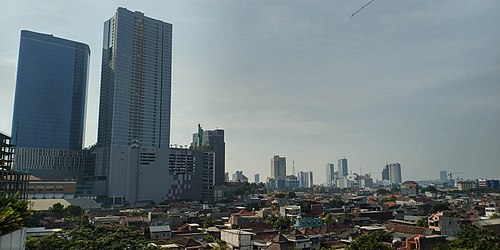
Surabaya, the capital of East Java province in Indonesia, is the second-largest city in the country, renowned for its vibrant commerce, rich history, and cultural significance. With a population exceeding 3 million, Surabaya serves as a major economic hub and one of Indonesia's key port cities, playing a crucial role in trade, logistics, and shipping. Established in the early 13th century, Surabaya was a notable trading post and has since evolved into a metropolitan area. The city's historical significance is underscored by its name, which translates to "Surya" (sun) and "Baya" (shark), and reflects the legendary tale of the battle between these two creatures, symbolizing the enduring spirit of the city.
Surabaya's urban landscape combines modernity with tradition, featuring a mix of colonial-era architecture, bustling markets, and vibrant street life. The city is home to various cultural landmarks, including the Heroes Monument, which commemorates the Indonesian War of Independence, and the House of Sampoerna, a museum that showcases the history of the kretek (clove cigarette) industry. Surabaya is also known for its culinary delights, boasting a diverse array of local dishes such as Rawon (a flavorful beef soup), Rujak Sompal (a fruit and vegetable salad), and Lontong Balap (rice cakes with vegetables and soy sauce). With a thriving arts scene, numerous festivals, and a rich multicultural environment, Surabaya offers a unique blend of traditions and modern influences, making it an important cultural center in Indonesia.
Surabaya's strategic location along the northern coast of Java enhances its status as a gateway for international trade. The city's port, Tanjung Perak, is one of the busiest ports in Southeast Asia, facilitating the movement of goods and contributing to its economy. In recent years, Surabaya has undergone significant urban development, with investments in infrastructure, transportation systems, and public services aimed at improving the quality of life for its residents. The city is also home to a number of educational institutions, including universities and vocational schools, which contribute to its skilled workforce. As the government emphasizes sustainable urban development, Surabaya continues to be a dynamic and growing city with a rich cultural tapestry, poised for future growth while respecting its historical roots.
Facts about Surabaya
- Surabaya is the capital of East Java and is the second-largest city in Indonesia, after Jakarta.
- The city is known for its role in the Indonesian National Revolution, especially the Battle of Surabaya in 1945, which is a significant event in the country's struggle for independence.
- Surabaya is home to the iconic Heroes Monument (Tugu Pahlawan), which commemorates the heroes of the revolution and is a symbol of the city.
- The city has a unique culinary heritage, featuring distinctive dishes such as Rawon, a black beef soup made with keluak nuts, and Sate Klopo, a satay made with coconut mixed into the meat.
- Surabaya is recognized for its vibrant trade and commerce, with the Port of Tanjung Perak being one of the busiest ports in Indonesia, linking it to international shipping routes.
- The city hosts a variety of cultural festivals, including the Surabaya Fashion Parade, showcasing local fashion designers and traditional clothing.
- Surabaya is one of the most advanced cities in Indonesia in terms of infrastructure and urban development, boasting a well-planned public transportation system including buses and trams.
- The city is home to several historical landmarks, such as the Mayangkara Monument and the House of Sampoerna, which provides insights into Indonesia's colonial past.
- Surabaya is famous for its 'Surabaya Night Carnival,' an annual event that features a colorful parade with traditional costumes, music, and dance performances.
- Unlike many other Indonesian cities, Surabaya has a relatively high number of educational institutions, making it a center for higher education in the region.