Surakarta, Indonesia
- 526,870 people
- 12 places to visit
- -7.5695, 110.825
Places to Visit (12)
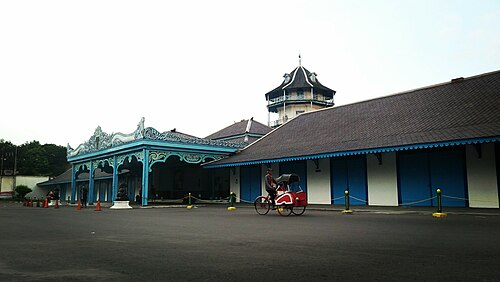
Surakarta, commonly known as Solo, is a city located in Central Java, Indonesia. It serves as the capital of Surakarta Special Region and is one of the historical and cultural centers of the country. The city is situated approximately 65 kilometers northeast of Yogyakarta and is bordered by the Merbabu Mountain to the north, adding to its picturesque landscape. Surakarta has a population of around 500,000 people, making it a moderately sized urban center in Indonesia. The city thrives on its rich cultural heritage, which is evident in its traditional arts, music, and festivals. One of the most notable features of Surakarta is its strong connection to the Javanese royal tradition, which has influenced its architecture, lifestyle, and social customs.
The heart of Surakarta's culture can be seen through its vibrant arts scene, including the famous Keris (traditional dagger) making, batik textiles, and wayang kulit (shadow puppetry). The city hosts various cultural events throughout the year, most notably the Sekaten festival, which commemorates the birth of the Prophet Muhammad, and the annual Solo Batik Carnival, celebrating the city’s renowned batik industry. Education and tourism also play significant roles in Surakarta’s economy, with several well-regarded universities, such as Sebelas Maret University, contributing to academic and vocational training. As a growing tourist destination, Surakarta attracts visitors with its myriad attractions, including the historic Mangkunegaran Palace, Pasar Klewer (Klewer Market), and the serene mosque of Jami’ Laweyan. The city serves as a gateway for exploring the rich culture and natural beauty of Central Java, making it an essential part of Indonesia’s cultural landscape.
Facts about Surakarta
- Surakarta, also known as Solo, is one of the cultural hubs of Central Java, known for its rich Javanese traditions and arts.
- The city is home to the Keraton Surakarta (Surakarta Palace), a royal palace that serves as a residence for the Sultan and a center for Javanese culture.
- Surakarta is famous for its traditional batik, with the Batik Museum showcasing a variety of patterns and techniques unique to the region.
- The city celebrates the Sekaten festival, held annually to commemorate the birth of the Prophet Muhammad, featuring traditional music and a wayang kulit (shadow puppet) performance.
- Surakarta has a unique culinary scene, known for its distinctive dishes such as 'Soto' (a traditional soup) and 'Serabi' (pancakes), often made with local ingredients.
- The city hosts the International Solo Batik Carnival, an event that attracts visitors and showcases the creativity and vibrancy of batik fashion.
- Surakarta has a long-standing history as a center for Indonesian independence movements, being the site of historical negotiations and declarations during the colonial era.
- The city features a blend of modernity and tradition, with historical sites like the Laweyan Village known for its preserved colonial architecture.
- Surakarta is renowned for its gamelan orchestras and traditional dance performances, which are integral to the city’s cultural identity.
- The city's strategic location near the Solo River has historically made it an important trade and transportation hub in Central Java.