Sutton, United Kingdom
- 187,600 people
- 19 places to visit
- 51.3614, -0.1939
Places to Visit (19)
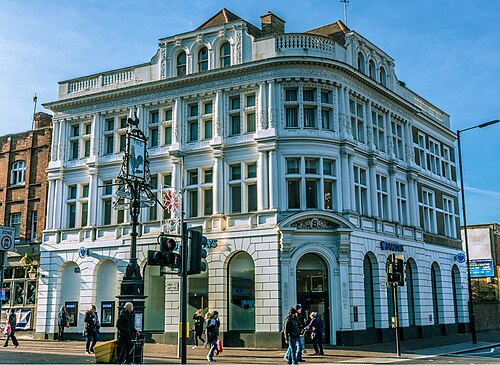
Sutton is a major town situated in the London Borough of Sutton, in the United Kingdom. Located approximately 10.5 miles south of Central London, it is part of Greater London and boasts a rich history that dates back to the medieval period. The name "Sutton" is derived from Old English, meaning "Southern settlement," which reflects its geographical positioning. The area was primarily rural until the late 19th and early 20th centuries, when significant urban development occurred. This transformation was greatly aided by the arrival of the railway in the 1860s, which connected Sutton to London and facilitated its growth as a commuter town. Today, Sutton combines modern amenities with historical architecture, featuring a mixture of residential, retail, and leisure spaces.
Sutton's community is diverse, with a population of around 200,000 residents, and it is known for its high-quality schools and educational institutions. The town has a strong commitment to public services and green spaces, having won the Green Flag Award for its parks. Notable parks include Sutton Common and Beddington Park, which provide residents with recreational areas and contribute to the town’s appeal. The town is also home to various cultural and community events, exemplifying its vibrant local culture. Economically, Sutton is well-supported with a blend of retail outlets, including the high street and various shopping centers, such as the St. Nicholas Centre and the Times Square Shopping Centre. The town also has a growing reputation as a center for business and innovation, particularly in sectors such as technology and service industries.
Transportation is a vital aspect of Sutton's infrastructure, with efficient connections through bus routes and trains linking the town to London and surrounding areas. The town falls within zones 5 and 6 of the London Transport system, which makes commuting easy for residents working in the capital. Sutton's commitment to sustainability is also noteworthy, with ongoing initiatives to promote cycling, reduce carbon emissions, and maintain green spaces. The town continues to develop while preserving its heritage, making it an attractive place to live and work for families and professionals alike. Overall, Sutton represents a blend of history, community spirit, and modern growth, contributing to its status as a key area in the diverse landscape of London.
Facts about Sutton
- Sutton is one of the few London Boroughs that offers a significant amount of green space, with over 100 parks and open areas, including the notable Nonsuch Park.
- The town is home to the historic Nonsuch Palace, originally built in the 16th century for Henry VIII, although much of it has been lost over time.
- Sutton has a rich history of paper-making and was once home to numerous paper mills that contributed to England's paper industry during the 18th and 19th centuries.
- The borough is noted for the Sutton High Street, which has a diverse selection of shops and eateries, earning it recognition as one of the best shopping areas in South London.
- Sutton has been recognized for its commitment to sustainability and environmental initiatives, even receiving the Green Flag Award for its parks.
- The town of Sutton is known for its strong educational reputation, with several high-performing secondary schools and a campus of the University of the Arts London.
- The 2011 census showed Sutton as one of the least ethnically diverse boroughs in London, with a population that has a predominantly White British demographic.
- Sutton housed one of the first-ever public libraries in the country, established in 1886, reflecting the town's long-standing emphasis on education and community enrichment.
- The borough is home to the annual Sutton Food Festival, celebrating local cuisine and producing a significant community event each year.
- Sutton features an extensive network of cycle routes, aimed at encouraging sustainable transportation and making the borough one of London’s most cycle-friendly areas.