Suwałki, Poland
- 69,222 people
- 12 places to visit
- 54.1115, 22.9308
Places to Visit (12)
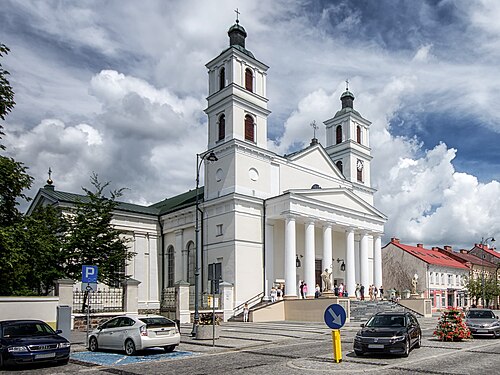
Suwałki is a city located in northeastern Poland, within the Podlaskie Voivodeship. Situated near the borders of Lithuania and Belarus, it serves as a significant cultural and economic center in the region. The city was officially founded in 1716 by the local nobility and acquired town privileges in 1765. Suwałki’s location in the Suwałki Region is notable for its picturesque landscapes, dense forests, and numerous lakes, making it a desirable destination for outdoor activities such as hiking, cycling, and fishing. The nearby Wigry National Park, which features the pristine Wigry Lake and rich biodiversity, attracts many tourists and nature lovers.
Historically, Suwałki has been influenced by various cultures and political changes, which are reflected in its architecture and urban layout. The city center is home to several historical buildings, including the neoclassical Church of the Assumption of the Blessed Virgin Mary, built in the 19th century. Additionally, the town’s marketplace features a mix of traditional and modern architecture. The city's economy is based on a combination of agriculture, trade, and light industry, benefiting from its strategic location and good transport connections. Suwałki is also known for its vibrant cultural scene, which includes events such as music festivals and art exhibitions. The region celebrates a diverse cultural heritage, characterized by traditional crafts, folklore, and various ethnic influences, including Polish, Lithuanian, and Belarusian communities. This blend of history, culture, and natural beauty makes Suwałki a unique and interesting part of Poland.
Facts about Suwałki
- Suwałki is known for its unique location in northeastern Poland, bordering Lithuania and close to the Suwalki Gap, a strategically important corridor between the Baltic states and Poland.
- The city has a rich multicultural history, having been influenced by various cultures, including Polish, Lithuanian, Russian, and German, which is reflected in its architecture and local traditions.
- Suwałki is home to the Suwałki Landscape Park, a protected area known for its stunning natural beauty, including lakes, forests, and glacial landforms that are a rarity in Poland.
- The region around Suwałki, particularly the Wigry Lake, is famous for its opportunities for water sports and recreational activities, attracting visitors for kayaking, sailing, and fishing.
- The city's distinctive climate is characterized by its colder winters and mild summers compared to much of Poland, making it one of the coldest regions in the country.
- Suwałki is renowned for its local cuisine, particularly the 'Suwałki kółko,' a traditional handmade bakery product, showcasing the city’s artisanal food production.
- The city has a significant presence in the world of contemporary art, with institutions like the Suwałki Cultural Center promoting various artistic initiatives and events.
- Suwałki is the site of several annual events, including the Suwałki Blues Festival, which celebrates blues music and attracts both local and international artists.
- The nearby Wigry Monastery, an important historical and religious site, has roots dating back to the 17th century and is one of the few surviving monasteries in this part of Poland.
- Suwałki gained international attention after experiencing a brief period of independence in 1918, which was highlighted during the tumultuous times of the aftermath of World War I.