Suzhou, China
- 1,647,642 people
- 14 places to visit
- 31.3041, 120.5954
Places to Visit (14)
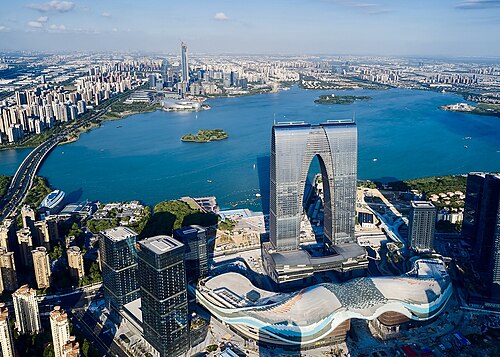
Suzhou, located in Jiangsu Province, China, is a city renowned for its rich cultural heritage and beautifully preserved classical gardens. Founded over 2,500 years ago, Suzhou is often referred to as the "Venice of the East" due to its intricate network of canals and waterways. The city has a population of approximately 10 million people and serves as one of China's vital economic centers, particularly in the fields of silk production, manufacturing, and technology. Suzhou's silk industry, which dates back to the Han Dynasty, remains a significant piece of its identity. The Suzhou Silk Museum offers visitors insight into the historical process of silk weaving, while local silk shops showcase exquisite products.
The city's landscape is characterized by historic gardens recognized as UNESCO World Heritage Sites, including the Humble Administrator's Garden and the Lingering Garden, which exemplify the artistry of traditional Chinese landscape design. These gardens, with their delicate structures, flowing water, and lush flora, reflect the philosophy of harmony between humanity and nature. Suzhou is also home to ancient temples, pagodas, and traditional architecture that attract tourists and scholars interested in China’s historical evolution. Additionally, the city's cultural scene is vibrant, with various festivals, including the Suzhou International Culture and Arts Festival, celebrating its artistic heritage, from Kunqu opera to traditional Chinese painting. Suzhou’s blend of historical significance, picturesque scenery, and modern development makes it a unique destination that captures the essence of both ancient and contemporary China.
Facts about Suzhou
- Suzhou is renowned for its classical Chinese gardens, which are recognized as UNESCO World Heritage Sites. The Humble Administrator's Garden and the Lingering Garden are two of the most famous examples.
- The city is often described as the 'Venice of the East' due to its intricate canal systems that date back over 2,500 years, making it one of the oldest water towns in China.
- Suzhou is famous for its silk production, historically regarded as one of the world's leading centers for silk manufacturing, and the Suzhou Silk Museum showcases this rich heritage.
- The ancient city wall of Suzhou, built during the Ming Dynasty, is one of the few well-preserved city walls in China and offers insights into the city's historical defenses.
- Suzhou's economy is supported by a combination of traditional industries, such as silk and embroidery, as well as advanced sectors like electronics and information technology.
- The Suzhou Industrial Park, a collaboration between China and Singapore, is one of the most successful economic development zones in China, known for its innovation and modern living standards.
- Suzhou has a significant cultural influence, being home to traditional Wu opera and silk embroidery, which are integral parts of Chinese intangible cultural heritage.
- The Tiger Hill, located in Suzhou, is famous for its beautiful scenery and the leaning pagoda, which is one of the oldest pagodas in China, often referenced in Chinese poetry.
- The city is associated with a rich literary history, serving as the setting for many famous Chinese literary works, including poems by renowned Tang dynasty poets.
- Suzhou hosts the annual Suzhou Industrial Park International Classical Music Festival, attracting global musical talent and celebrating the city's cultural contributions.