Suzuka, Japan
- 191,477 people
- 13 places to visit
- 34.8817, 136.5842
Places to Visit (13)
Suzuka is a city located in Mie Prefecture on the eastern coast of Honshu, Japan. Renowned for its rich cultural heritage and natural beauty, Suzuka encompasses an area of approximately 150 square kilometers and is home to around 200,000 residents. The city is strategically positioned near the Ise Bay, nestled between the Suzuka Mountains to the west and the Kinki region to the east, offering a blend of coastal and mountainous landscapes. Suzuka is accessible by various transportation means, including the Tōkaidō Shinkansen (bullet train) and major highways, making it a convenient destination for both locals and tourists.
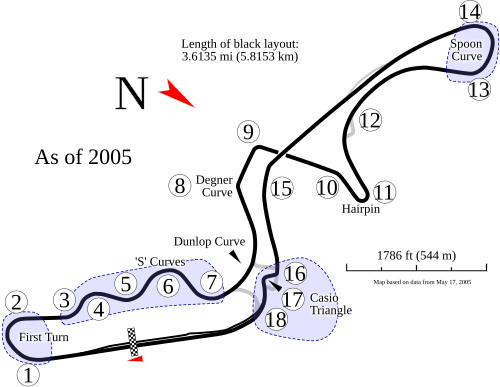
One of the city's most notable features is the Suzuka International Racing Course, commonly referred to as Suzuka Circuit, which was established in 1962. The circuit is famed for hosting several prestigious motorsport events, including the Formula One Japanese Grand Prix and the MotoGP races. This motorsport hub attracts racing enthusiasts from around the world, further promoting the city's profile as a vibrant destination for sporting events. In addition to its motorsport activities, Suzuka is also home to a number of cultural sites, such as the historical Suzuka Shrine, which dates back to 7 CE and is dedicated to the deity Sakurahiko-no-Mikoto. The surrounding area includes beautiful parks and gardens, with popular spots like Suzuka City Traditional Industry Museum showcasing local craftsmanship and heritage.
Suzuka's economy is diverse, with agriculture, manufacturing, and tourism playing crucial roles. The region is known for producing high-quality agricultural products, including rice, fruits, and vegetables, which contribute to its local cuisine. The blend of urban and rural elements offers residents and visitors a unique experience, balancing modern living with traditional customs. Suzuka also has educational institutions, parks, and recreational facilities, enhancing the quality of life for its inhabitants. Overall, Suzuka stands as a city that harmonizes its historical significance with contemporary development, making it an intriguing destination in Japan.
Facts about Suzuka
- Suzuka is home to the Suzuka International Racing Course, which hosts the Formula One Japanese Grand Prix, making it a notable destination for motor sports enthusiasts.
- The city features a famous 4/4 scale replica of the world-renowned Suzuka Circuit, making it a unique attraction for both visitors and racing fans.
- Suzuka is known for its production of specialized Japanese hardware, contributing significantly to Japan's manufacturing sector and economy.
- The city has a rich historical significance, as it was the site of the ancient Ise Shrine's main rituals and ceremonies, linking it to Japan's traditional Shinto practices.
- Suzuka's Suzuka Lake is a notable water reservoir area and is recognized for its beautiful landscape and recreational activities, attracting nature lovers.
- The Tōkaidō Main Line, a vital railway route, runs through Suzuka, connecting it conveniently to major cities like Nagoya and Osaka.
- Suzuka is recognized for its annual Suzuka Fireworks Festival, which draws large crowds and showcases elaborate pyrotechnics, making it a highlight of the summer.
- The city is unique for its combination of urban and rural environments, featuring both bustling town centers and rich natural areas like the Suzuka Mountains.
- Suzuka's city mascot, Suzuka-chan, is a popular figure that promotes local culture and tourism, distinguishing it from other cities in terms of community engagement.
- The city is also known for the historical connection to the Suzuka Pass, which was an important route during the Edo period, emphasizing its historical significance in transportation.