Swakopmund, Namibia
- 53,009 people
- 11 places to visit
- -22.6749, 14.5258
Places to Visit (11)
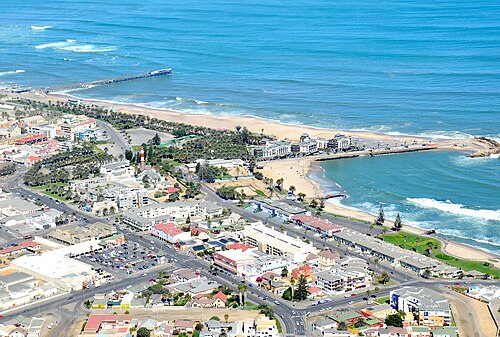
Swakopmund is a coastal city located in the Erongo Region of Namibia, approximately 30 kilometers southwest of the capital city, Windhoek. Founded in 1892 as a German colonial outpost, the city has retained much of its colonial architecture, which contrasts strikingly with the surrounding Namib Desert. The city serves as a popular tourist destination, known for its picturesque coastal scenery, adventure sports, and unique cultural heritage. The Atlantic Ocean's cold Benguela Current creates a mild coastal climate, making Swakopmund an attractive spot for both locals and visitors seeking respite from the heat of the interior.
The economy of Swakopmund is largely driven by tourism, with visitors drawn to activities such as sandboarding, skydiving, marine tours, and exploring the nearby Namib Desert. The Swakopmund Jetty, built in 1905, is a significant landmark, and the local aquarium highlights the region's marine biodiversity. Swakopmund is also the gateway to several natural wonders, including the Skeleton Coast, known for its dramatic shipwrecks and barren landscapes, and the Namib-Naukluft National Park, home to some of the world’s highest sand dunes. Cultural attractions include the Swakopmund Museum, which showcases the history and culture of the region, as well as the Alte Kaserne (Old Barracks) and the Woermannhaus, both of which reflect the city's German colonial past.
Despite its relatively small population of around 25,000 residents, Swakopmund has a vibrant community that includes a mix of ethnic groups, contributing to a rich cultural tapestry. The city offers a variety of restaurants, shops, and markets that reflect its diverse influences. Annual events, such as the Swakopmund Summer Festival, further emphasize the city's lively atmosphere, while the nearby dunes provide ample opportunities for outdoor enthusiasts. As Namibia continues to embrace its unique heritage and natural beauty, Swakopmund remains a significant destination, combining adventure, history, and cultural experiences in a breathtaking coastal setting.
Facts about Swakopmund
- Swakopmund is known for its unique blend of German colonial architecture and modern amenities, making it a distinct cultural hub in Namibia.
- The town is situated on the Atlantic coast and serves as a popular destination for adventure sports such as sandboarding and skydiving, distinctive activities not commonly associated with other Namibian towns.
- Swakopmund hosts the famous Swakopmund Jetty, built in 1905, which extends 200 meters into the Atlantic Ocean and is a popular spot for fishing and sightseeing.
- The Swakopmund Museum is one of the largest and most comprehensive museums in Namibia, showcasing the country’s cultural heritage and natural history, setting it apart from other towns.
- Swakopmund is famous for its well-preserved Victorian buildings, which reflect the town's German heritage, unlike other cities in Namibia that have different architectural influences.
- The town features a unique local waterway system, created in the 20th century to supply water to the arid region, which is an engineering feat not found in other Namibian locales.
- Swakopmund hosts the annual Swakopmund Arts Festival, which is a highlight in the cultural calendar and attracts artists from all over Namibia and beyond.
- The local cuisine in Swakopmund reflects its coastal location, famous for fresh seafood and German-inspired dishes, providing a culinary experience that differs from the rest of Namibia.
- Swakopmund is often referred to as the 'Adventure Capital of Namibia' due to its range of outdoor activities available year-round, setting it apart from more traditional tourist destinations in the country.
- The proximity of Swakopmund to the Namib Desert offers unique attractions like the Sossusvlei dunes, making it a gateway for both coastal and desert adventures.