Swansea, United Kingdom
- 300,352 people
- 17 places to visit
- 51.6214, -3.9436
Places to Visit (17)
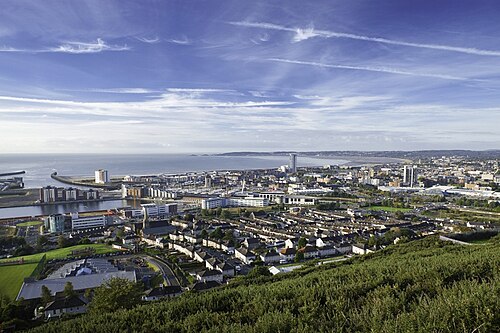
Swansea, located on the southern coast of Wales, is the second-largest city in the country and holds historical significance as a port city. It is part of the county of Swansea and is situated along the picturesque Swansea Bay, offering a mix of natural beauty and urban development. The city is characterized by its diverse cultural heritage, influenced by its industrial past and the presence of Welsh identity. Notably, Swansea was once a hub for copper production during the 19th century, earning it the nickname "Copperopolis." The region's maritime history can be traced back to its docks, which played a vital role in trade and commerce. Today, the docks have been revitalized, transforming into a vibrant area for leisure and tourism.
Swansea is well-known for its educational institutions, most prominently Swansea University, which is recognized for its research and academic programs. Additionally, the city boasts a rich arts and cultural scene, with highlights such as the Swansea Grand Theatre and the National Waterfront Museum, which showcases Wales' industrial and maritime history. Outdoor enthusiasts can explore the nearby Gower Peninsula, the first area in the UK designated as an Area of Outstanding Natural Beauty, famous for its stunning coastal scenery and diverse wildlife. With its blend of urban life and natural landscapes, Swansea has become an attractive destination for both residents and visitors seeking to experience Welsh culture, history, and the outdoors. The city's ongoing development continues to enhance its appeal, making it a key player in the regional economy and a center for innovation and learning in Wales.
Facts about Swansea
- Swansea is known as 'Swansea Bay' and is famous for its stunning coastline and beaches, including the popular Swansea Bay and Mumbles area.
- The city is home to the iconic Swansea Market, one of the largest indoor markets in Wales, which has been a central part of the city's community since 1897.
- Swansea has a rich industrial heritage and was once a booming copper-producing city during the 19th century, earning it the nickname 'Copperopolis'.
- The poet Dylan Thomas, one of Wales' most celebrated literary figures, was born in Swansea and many places in the city are associated with his life and work.
- Swansea is the birthplace of the Welsh-language television channel S4C, which was established in 1982 and has played a significant role in promoting Welsh culture.
- The city features the National Waterfront Museum, which showcases the industrial and maritime history of Wales through interactive exhibits.
- Swansea University is renowned for its research and has been a significant center for education since its founding in 1920; it is particularly noted for its contributions to science and engineering.
- Swansea has a vibrant cultural scene, highlighted by events like the Swansea International Festival and the Uplands Market, which celebrate local art, music, and food.
- The famous Tower of Saint Mary's Church in the city center offers unique views and reflects the medieval architecture prevalent in the area.
- Swansea is also home to the Swansea City AFC, which has a rich history in Welsh football and is celebrated for its passionate local fanbase.