Sylhet, Bangladesh
- 237,000 people
- 2 places to visit
- 24.9048, 91.86
Places to Visit (2)
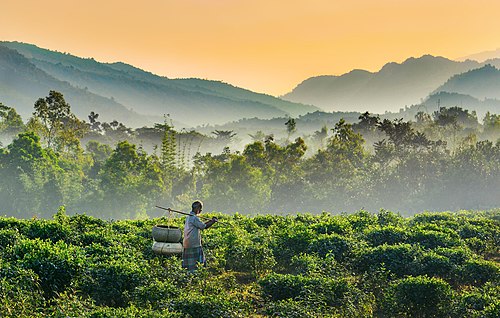
Sylhet is a picturesque city in northeastern Bangladesh, renowned for its lush landscapes, tea gardens, and rich cultural heritage. Nestled in the Surma Valley, Sylhet is surrounded by hills, forests, and rivers, making it one of the most scenic regions in the country. The Sylhet Division covers approximately 12,000 square kilometers and is home to about 5 million people. The region is historically significant due to its connection to the sylhetis, an ethnic group known for their distinct language and traditions. The economy of Sylhet is largely driven by agriculture, with tea cultivation being a major contributor. The region is famous for its world-class tea estates, which produce various high-quality teas enjoyed globally.
In addition to its natural beauty, Sylhet has a rich cultural and spiritual history. It is home to several important religious sites, including the shrine of Hazrat Shah Jalal, a revered Sufi saint, and Hazrat Shah Paran, his nephew, which attract thousands of pilgrims annually. The city also showcases a blend of Bengali and indigenous cultures, with numerous festivals and events highlighting its diverse heritage. Sylhet serves as a significant center for the Bangladeshi diaspora, particularly for expatriates in the United Kingdom, leading to a robust remittance economy that supports local development. Over the years, infrastructural improvements, such as new roads and the Sylhet Osmani International Airport, have bolstered both tourism and trade, making Sylhet an increasingly important urban center in Bangladesh. The city's vibrant markets, traditional foods, and welcoming atmosphere continue to draw visitors and contribute to its growing reputation as a destination for cultural and natural exploration.
Facts about Sylhet
- Sylhet is known as the 'Land of Two Leaves and a Bud' due to its association with tea cultivation and production, being one of the largest tea-producing regions in Bangladesh.
- The city is home to the famous Ratargul Swamp Forest, one of the few freshwater swamp forests in Bangladesh, offering unique biodiversity.
- Sylhet has a rich historical background, with influences from the ancient kingdom of Paharpur and a significant role in the spread of Islam in the region during medieval times.
- The region is renowned for its picturesque landscapes, featuring rolling hills, lush green tea gardens, and the Jaintia hills, which attract many tourists each year.
- Sylhet hosts the Hazrat Shah Jalal Mazar Sharif, a significant Sufi shrine dedicated to the revered saint Hazrat Shah Jalal, drawing millions of pilgrims annually.
- The Sylhet District is known for its unique dialect, 'Sylheti,' which differs significantly from the standard Bengali language, showcasing the region's cultural individuality.
- In the context of Bangladeshi migration, Sylhet has one of the highest rates of expatriates living abroad, particularly in the UK, which has led to a strong diaspora community.
- Sylhet is famous for its mesmerizing waterfalls, including Ratargul and Jaflong, which are popular with nature lovers and adventure seekers.
- The city celebrated the establishment of the first-ever Sylhet International Trade Fair, enhancing its status as a commercial hub in northeastern Bangladesh.
- Sylhet has a rich tradition of folk music, with 'Baul' and 'Bhatiali' styles being particularly prevalent, reflecting the local culture and heritage.