Székesfehérvár, Hungary
- 101,600 people
- 13 places to visit
- 47.186, 18.4221
Places to Visit (13)
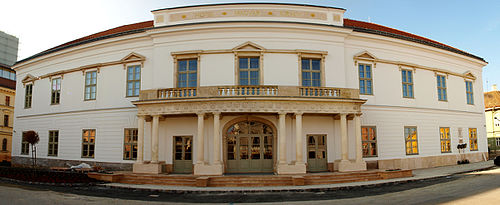
Székesfehérvár, located in central Hungary, is one of the country's oldest and historically significant cities. As the capital of Fejér County, it lies approximately 65 kilometers west of Budapest, making it a vital cultural and economic hub. The city's history dates back to Roman times, with the settlement initially known as Alba Regia, which served as an important administrative and military center. Following the arrival of the Magyars in the late 9th century, Székesfehérvár became the first royal capital of Hungary and a key site for coronations, hosting nearly fifty royal ceremonies over the centuries. This rich tapestry of history has left its mark on the city, from its medieval architecture to the remnants of its former glory as a royal seat.
The urban landscape of Székesfehérvár is characterized by a blend of historical and modern elements. Notable landmarks include the Basilica of St. Stephen, a significant neo-Romanesque church completed in the early 20th century, and the ruins of the medieval king's castle. The city is also known for its picturesque squares, such as the Kossuth Square, which is lined with colorful facades and atmospheric cafés, reflecting a vibrant urban life. Székesfehérvár is home to various museums, including the King Stephen Museum, which showcases the city’s royal history and archaeological finds. Additionally, cultural events and festivals play a vital role in community life, with the annual Feast of Saint Stephen attracting many visitors. Amidst its historical charm, the city has embraced modernity, developing infrastructure and amenities that support both residents and tourists. Székesfehérvár's unique blend of history, culture, and contemporary living makes it a noteworthy destination within Hungary.
Facts about Székesfehérvár
- Székesfehérvár was the coronation city of the Hungarian kings, with 15 kings crowned there between 1000 and 1530.
- The city is home to the ruins of the Basilica of St. Stephen, where many early medieval Hungarian monarchs were buried.
- Székesfehérvár is known for its rich history as it was the first capital of Hungary after the establishment of the kingdom.
- The city hosts the annual Festival of the Kings, commemorating its historic role as the center of royal power.
- One of Székesfehérvár's notable landmarks is the Bishop's Palace, which reflects the city’s importance in the religious history of Hungary.
- The city's name translates to 'Royal Feeder' in English, a reference to its royal significance in Hungarian history.
- Székesfehérvár’s medieval city walls and the historical downtown area are well-preserved, showcasing a blend of Gothic and Baroque architecture.
- The city has a significant place in Hungarian folklore and literature, often referenced in stories of kings and epic battles.
- Székesfehérvár is part of the Wine Region of Lake Balaton, adding a gastronomic significance to its historical charm.
- It is also known for the unique, artistic 'Fehérvár' ceramic works, which are made locally and reflect the city's cultural heritage.