Taastrup, Denmark
- 35,238 people
- 14 places to visit
- 55.646, 12.2979
Places to Visit (14)
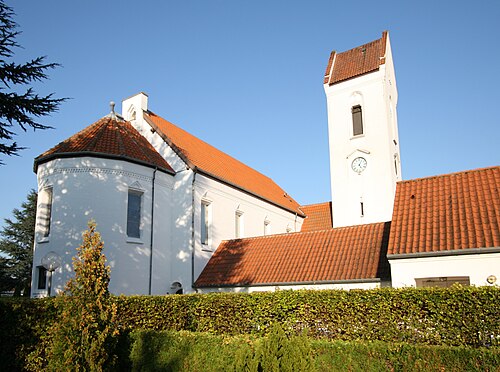
Taastrup is a vibrant urban area located in the greater Copenhagen region of Denmark, primarily within the municipality of Høje-Taastrup. Situated approximately 20 kilometers west of the capital, this city has transformed over the years from a small village into a significant urban center. The area was originally settled in the early Middle Ages and was primarily agricultural until the 20th century, when industrialization and urban development began to shape its landscape. Today, Taastrup is known for its diverse population, modern infrastructure, and a blend of residential, commercial, and recreational facilities that cater to both residents and visitors.
One of Taastrup's key features is its strategic transportation network. The city is served by a major railway station on the S-train network, providing efficient connections to Copenhagen and other regional destinations. Additionally, Taastrup is well-connected by road, with several important highways passing nearby. This accessibility has made it an attractive location for businesses and residents seeking proximity to the capital while enjoying a more suburban lifestyle. The city boasts a variety of amenities, including shopping centers, educational institutions, and recreational areas, fostering a community-oriented atmosphere. Taastrup is also home to several cultural institutions and events that enrich the local cultural landscape, making it a dynamic place to live and work.
In terms of demographics, Taastrup has experienced significant growth and diversification over the last few decades. The population is a mix of native Danes and immigrants from various countries, contributing to the city's multicultural environment. This diversity is reflected in the variety of cultural festivals, culinary offerings, and community events that take place throughout the year. The city's commitment to sustainability and community well-being is evident in its green spaces, parks, and recreational facilities, which encourage an active lifestyle among residents. With ongoing development initiatives and a strong community spirit, Taastrup exemplifies the modern Danish urban experience, making it an appealing destination for families and individuals alike.
Facts about Taastrup
- Taastrup is known for being home to the Taastrup Theater, which has been a cultural landmark since its opening in 1983, providing a platform for a variety of performances and local artists.
- The town features the Taastrup Lake, a popular recreational area that provides opportunities for outdoor activities such as walking, biking, and fishing, differentiating it from more urbanized cities.
- Taastrup is part of the larger Høje-Taastrup Municipality, which has a strong focus on sustainability and green initiatives, making it notable among Danish towns for its environmental efforts.
- In 2019, Taastrup celebrated its 150th anniversary, marking its transformation from a rural area into a significant urban center within the Copenhagen metropolitan area.
- The city houses the Taastrup Sports Center, which offers a variety of sports facilities and hosts local sports events, contributing to a vibrant community culture.
- Taastrup's train station is a crucial hub on the S-train network, providing direct access to central Copenhagen, which plays a key role in its development as a commuter town.
- The town is known for the Taastrup Shopping Center, one of the largest shopping complexes in the area, offering a wide range of shops and services that attract visitors from surrounding regions.
- Taastrup has a rich history that includes significant agricultural development, which laid the foundation for its growth before becoming modernized in the mid-20th century.
- It is home to various cultural events and festivals, including local markets and seasonal celebrations that promote community unity and local artisans.
- The town reflects a blend of modern architecture and historical buildings, showcasing its evolution over the decades, particularly in the design of residential areas and public infrastructure.