Tábor, Czechia
- 36,264 people
- 11 places to visit
- 49.413, 14.6775
Places to Visit (11)
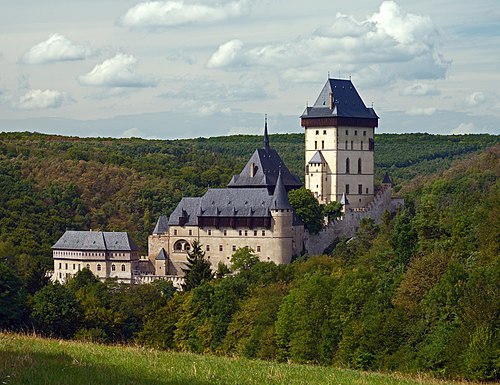
Tábor is a historic city located in the South Bohemian Region of Czechia, renowned for its rich heritage and significant role during the Hussite Wars in the early 15th century. The city was founded in 1420 by followers of Jan Hus, a Czech religious reformer, as a fortress and a bastion for Hussite ideals. Its name, derived from the biblical Mount Tabor, reflects its spiritual significance to its founders. Tábor's layout is noted for its medieval architecture, characterized by a network of underground tunnels and cellars that served various purposes, including defense, storage, and refuge during conflicts.
The city is best known for its well-preserved historical center, featuring a mix of Gothic, Renaissance, and Baroque styles. Among its notable landmarks is the Žižka Square, named after the famous Hussite leader Jan Žižka, which showcases stunning buildings such as the Town Hall and the iconic Church of the Expectation of the Virgin Mary. The city is also famous for its panoramic views from the Kotnov Tower, which offers a glimpse into the picturesque landscape surrounding Tábor. Beyond its architectural beauty, Tábor hosts various cultural events and festivals that celebrate its Hussite legacy, attracting both domestic and international tourists. The city embodies a unique blending of past and present, making it a vibrant hub of Czech history and culture.
Facts about Tábor
- Tábor is known for its historical significance as a center of the Hussite movement in the 15th century.
- The city is named after the biblical Mount Tabor, reflecting the influence of the Hussite leaders who established the town as a fortified settlement.
- Tábor features a unique system of underground tunnels, which were used during the Hussite Wars for defense and to store food and supplies.
- One of its most notable landmarks is the Kotnov Tower, which dates back to the 15th century and offers panoramic views of the city.
- The town is home to the Hussite Museum, showcasing the history and legacy of the Hussites, making it a key cultural attraction.
- Tábor organizes an annual Hussite Festival, celebrating the city’s rich heritage with medieval reenactments, parades, and markets.
- The city is known for its well-preserved medieval architecture, including the Gothic-style Church of the Assumption of Our Lady.
- Tábor is famously laid out in a triangular shape, with streets radiating from a central square, which is uncommon among Czech towns.
- The city played a significant role in the Czech national revival in the 19th century, becoming a hub for Czech culture and education.
- Tábor has a distinctive blend of historical and modern elements, with vibrant art scenes, galleries, and contemporary festivals.