Tabora, Tanzania
- 308,741 people
- 2 places to visit
- -5.0425, 32.8197
Places to Visit (2)
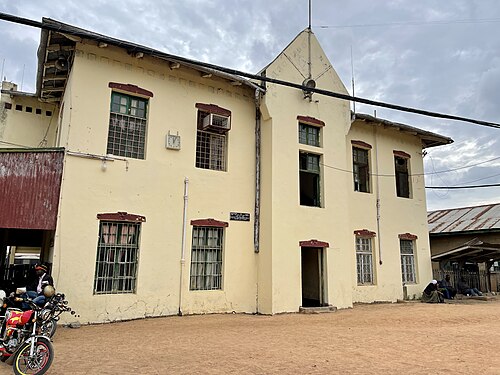
Tabora is a prominent city located in the central region of Tanzania, serving as the capital of the Tabora Region. With its rich history as a significant trading hub during the pre-colonial period, the city is situated on key trade routes that connected the interior of East Africa with coastal ports. Historically, Tabora thrived as a center for ivory and slave trade, attracting traders and explorers, including British explorer Henry Morton Stanley in the late 19th century. Today, the city's population is approximately 200,000 residents, and it acts as an administrative, economic, and cultural center for the surrounding area.
Economically, Tabora relies on agriculture, with farming and livestock breeding being the primary sources of income for many residents. Major crops cultivated in the region include maize, cassava, sorghum, and legumes. The city also has a developing infrastructure, with efforts to improve transportation and communication to facilitate trade and access to markets. Additionally, Tabora is known for its diverse cultural heritage, which reflects various tribal influences, notably the Wasukuma and Wanyamwezi people. The city hosts an array of cultural events, showcasing traditional music, dances, and crafts that play a crucial role in preserving the local identity. As the region continues to modernize while maintaining its historical significance, Tabora stands as a unique example of Tanzania's blend of tradition and development.
Facts about Tabora
- Tabora is historically significant as it served as the main stopover for explorers and traders traveling to the interior of East Africa from the port of Dar es Salaam in the 19th century.
- The city is known for being a major center for the production of cotton, which is one of the main cash crops of the region.
- Tabora hosts the Tabora Cultural Festival, an annual event that showcases the rich traditions and cultural heritage of the Sukuma and other local tribes.
- The Tabora Central Railway Station is an important landmark, having played a key role in the development of trade and transport in the region since the late 19th century.
- The city is home to the Tabora Museum, which preserves the history and culture of the region, including artifacts from the German colonial period.
- Tabora is uniquely positioned near the Old Bujora site, an archaeological location that provides insights into the historical migration patterns in the region.
- The region around Tabora is known for its diverse wildlife, and Nyamanga Wildlife Management Area nearby offers opportunities for eco-tourism.
- Tabora is notable for its role in the spread of Islam in Tanzania, as several mosques and Islamic schools can be found in the city, reflecting its diverse religious history.
- The city served as a base for many German missionaries in the late 1800s, influencing the educational and social landscape of the area.
- Tabora is the birthplace of several notable Tanzanian politicians and leaders, contributing to its significance in the political history of the country.