Tabuk, Saudi Arabia
- 667,000 people
- 8 places to visit
- 28.3835, 36.5662
Places to Visit (8)
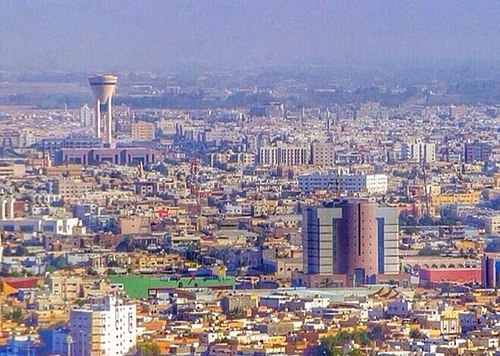
Tabuk is a city located in the northwestern region of Saudi Arabia, serving as the capital of the Tabuk Province. Positioned near the border with Jordan, it lies approximately 700 kilometers north of the capital, Riyadh. Historically, Tabuk has served as an important stop for travelers and traders, given its strategic location along ancient trade routes, including the Incense Route. The city's history dates back to pre-Islamic times, and it is associated with various historical events, including the expeditions of the Prophet Muhammad, which adds to its cultural significance.
Modern-day Tabuk has grown into a thriving urban center characterized by a mix of traditional and contemporary influences. The economy of Tabuk is diverse, encompassing agriculture, tourism, and commerce. The surrounding region is known for its agricultural production, particularly of crops such as wheat, dates, and vegetables. Tabuk's climate is largely arid, with hot summers and mild winters, which has influenced the types of agriculture practiced in the area. The city also hosts several educational institutions, healthcare facilities, and infrastructure projects, which contribute to its growth and development.
Tourism in Tabuk has been burgeoning, driven by its historical landmarks and natural beauty. Notable attractions include the ancient rock carvings at Jebel al-Lawz, the stunning landscapes of the Tabuk region, and the nearby Red Sea coastline, which offers opportunities for diving and water sports. The city's architectural features, such as the Tabuk Fortress and the historic mosque, serve as reminders of its rich past. As part of Saudi Arabia's Vision 2030 initiative, Tabuk is expected to continue expanding its infrastructure and services to accommodate tourists and residents alike, enhancing its profile as a cultural and economic hub in the region.
Facts about Tabuk
- Tabuk is one of the oldest continuously inhabited cities in Saudi Arabia, with evidence of human habitation dating back thousands of years.
- The city served as a crucial military outpost during the Ottoman Empire, with significant historical importance in the region.
- Tabuk is home to the world's largest military base, King Khalid Military City, which plays a vital role in the defense of the northern borders of Saudi Arabia.
- The Tabuk Region is known for its diverse geology and stunning landscapes, including the famous Tabuk Mountains and unique rock formations in the region.
- The city is famous for the historic Tabuk Castle, built in the 16th century, which served as a fortress during the Ottoman period and is a popular tourist site today.
- Tabuk is an important center for agricultural production in Saudi Arabia, particularly for the cultivation of fruits and vegetables, thanks to its fertile lands and modern irrigation techniques.
- Every year, Tabuk hosts the Tabuk Season, an annual festival featuring cultural events, art exhibitions, and entertainment that attracts visitors from across the country.
- The city is notable for its proximity to the ancient trade route of Al-Ula, linking it to Nabatean civilization and other historical trade links.
- Tabuk is also known for its unique climate, which features mild winters and hot summers, compared to many other regions in Saudi Arabia, making it a popular destination for travelers seeking cooler weather.
- One of the most significant archaeological sites near Tabuk is the ancient rock art at Jabal Al-Filah, which showcases thousands of petroglyphs and inscriptions from prehistoric times.