Tacloban, Philippines
- 242,089 people
- 13 places to visit
- 11.2543, 124.9617
Places to Visit (13)
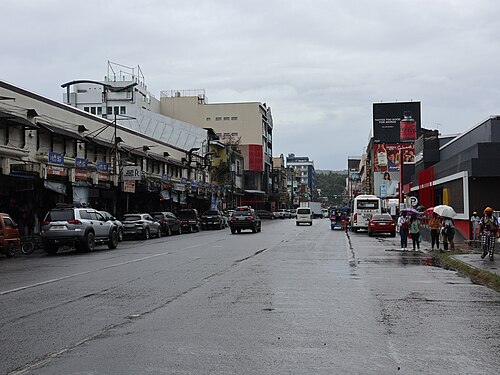
Tacloban is a city located in the Eastern Visayas region of the Philippines, serving as the capital of the province of Leyte. Positioned on the eastern shore of Leyte Gulf, it is a significant urban center in the region and a vital hub for trade, commerce, and education. The city covers an area of approximately 201.90 square kilometers and has a population of over 200,000 residents, making it one of the most populous cities in the Visayas. Tacloban is known for its cultural diversity and vibrant local community, which reflects a rich blend of indigenous traditions, Spanish colonial history, and American influences.
Tacloban is perhaps most widely recognized internationally for its experiences during Typhoon Haiyan in November 2013, one of the strongest tropical cyclones ever recorded. The storm caused massive devastation in the city and surrounding areas, resulting in thousands of casualties and widespread destruction. In the aftermath, Tacloban became a focal point for international humanitarian assistance and recovery efforts. Since then, the city has made significant strides toward rebuilding and rehabilitation, with efforts focused on infrastructure improvements, disaster risk reduction, and community resilience. Tacloban is also notable for landmarks such as the San Juanico Bridge, which connects Leyte and Samar, and the MacArthur Landing Memorial National Park, commemorating General Douglas MacArthur's return to the Philippines during World War II.
Culturally, Tacloban is home to several festivals, most famously the Pintados-Kasadyaan Festival, which is celebrated in June and showcases the city's local heritage through vibrant street dancing, traditional costumes, and artistic displays. The city is also known for its culinary offerings, with local delicacies featuring seafood and traditional Filipino dishes. Tacloban serves as a gateway to other attractions in the region, including historical sites and natural wonders, making it a point of interest for both domestic and international tourists. As a growing urban center, Tacloban embodies the resilience and tenacity of its people, as they continue to forge ahead in the face of challenges while celebrating their heritage and community spirit.
Facts about Tacloban
- Tacloban is known as the regional capital of Eastern Visayas and serves as the economic and political hub of the region.
- The city is recognized for its role as the site of the famous Leyte Landing, where General Douglas MacArthur returned to the Philippines in 1944 during World War II, marking a significant turning point in the war.
- Tacloban was severely impacted by Typhoon Haiyan (Yolanda) in November 2013, one of the strongest tropical cyclones ever recorded, leading to extensive rebuilding efforts and international aid.
- The San Juanico Bridge, connecting Tacloban to the island of Samar, is the longest bridge in the Philippines and an iconic landmark that showcases the area's infrastructure.
- Tacloban celebrates the Sangyaw Festival, a cultural and religious event featuring street dancing, parades, and colorful costumes, highlighting the city's vibrant local culture.
- The city's Christ the King Cathedral is notable for its unique architecture and historical significance, serving as a central place of worship and a symbol of resilience for the local community.
- Tacloban is home to the Tacloban City Convention Center, also known as the Tacloban Astrodome, which has hosted both local and national events, including sports and entertainment.
- As a significant fishing port, Tacloban contributes greatly to the local economy and is known for its fresh seafood and local delicacies, unique to the region.
- The city also has a growing educational sector with various universities and colleges that attract students from across the region.
- Tacloban has a rich cultural heritage influenced by various indigenous and colonial histories, celebrated through numerous festivals and local traditions that showcase its diverse community.