Tacna, Peru
- 286,240 people
- 15 places to visit
- -18.0068, -70.246
Places to Visit (15)
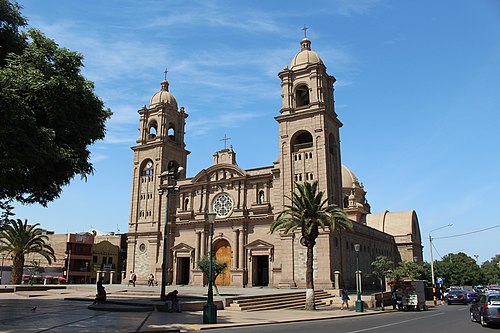
Tacna is a city located in the southernmost region of Peru, serving as the capital of the Tacna Region. Positioned near the border with Chile, approximately 1,300 kilometers south of Lima, Tacna is a vital economic and cultural hub. The city was founded on August 28, 1570, by Spanish conquistador Pedro Sánchez de La Hoz. The strategic location of Tacna has historically made it a point of contention between Peru and Chile, particularly during the War of the Pacific (1879-1884). After a series of conflicts, including the Treaty of Ancón in 1883, Tacna remained under Chilean control until it was returned to Peru in 1929, which reinforced its identity as a symbol of national pride.
Tacna boasts a rich cultural heritage, showcased through its vibrant festivals and traditions. The local economy is primarily driven by agriculture, trade, and mining, leveraging its proximity to rich mineral deposits in the Andes Mountains. The city is known for its wines and pisco, a popular Peruvian spirit, which are primarily produced in the surrounding valleys. The bustling Tacna markets offer a variety of goods, ranging from artisanal crafts to imported products, reflecting the blend of local and Chilean influences. Additionally, Tacna is home to several historical sites, including the iconic Tacna Cathedral and the archaeological remains of the ancient settlement of Tacna, which draw visitors and historians alike, further enhancing its significance in the cultural landscape of Peru.
Facts about Tacna
- Tacna is known as the 'Heroic City' due to its significant role in the War of the Pacific, where it was strategically important for both Chile and Peru.
- The city was formally annexed by Chile after the signing of the Treaty of Ancón in 1883 but regained its status as part of Peru in 1929, making it a unique case of territorial change in the country.
- Tacna is home to the iconic Arco Paranal, a monumental arch built to commemorate the return of the city to Peru in 1929.
- The city played a substantial role in the Peruvian independence movement, with many residents actively participating in revolutionary activities against Spanish colonial rule.
- Tacna hosts the annual 'Fiesta de la Vendimia,' a wine festival celebrated in March, which showcases the region's viticulture and rich wine-making traditions.
- Tacna's Plaza de Armas is distinctive as it features an array of historical buildings, including the Cathedral of Tacna and the Municipal Palace, reflecting a blend of architectural styles.
- The region around Tacna, particularly in the Tarata district, is known for its archaeological sites, including the ancient ruins of the Pukara culture.
- Tacna is famous for its unique cuisine that blends traditional Peruvian dishes with influences from the city's historical ties to Chile, such as the popular 'tacneño' ceviche.
- The city is strategically located near the border with Chile, making it a vital commercial hub for trade and cultural exchange between the two countries.
- Tacna has one of the highest literacy rates in Peru, showcasing the region's commitment to education and cultural development.