Taguig, Philippines
- 644,473 people
- 13 places to visit
- 14.5176, 121.0509
Places to Visit (13)
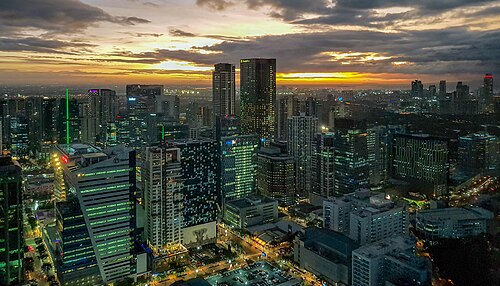
Taguig is a highly urbanized city located in the Metro Manila region of the Philippines. It is bordered by the cities of Pasig, Pateros, and Makati, as well as the Taguig River and Laguna de Bay. With a population of over 900,000 based on the latest census, Taguig has become a thriving hub of commerce and residential life. The city is known for its rapid development, particularly in urban infrastructure and real estate, as it has transformed from a predominantly agricultural area into a bustling metropolitan center.
One of Taguig's most notable areas is Bonifacio Global City (BGC), a modern central business district that has attracted many multinational companies, shopping malls, restaurants, and schools. BGC is popular for its planned urban design, complete with green spaces, public art, and pedestrian-friendly streets, making it a prime location for professionals and expatriates. Taguig also hosts several key institutions, including the Philippine Navy Headquarters, the New Lower Bicutan Health Center, and the Taguig City University, which provide essential services and educational opportunities for its residents. Furthermore, Taguig is recognized for its commitment to sustainable urban development and social programs, focusing on improving the quality of life for its citizens.
Beyond its economic progress, Taguig is culturally rich, with various festivals and community events that showcase its local heritage. The city celebrates the "Araw ng Taguig" or the Taguig City Day every January, which features parades, cultural presentations, and various activities that promote local traditions and talents. Taguig is also home to historical sites like the Fort Bonifacio National Cemetery and various churches that reflect its deep-rooted history. With its blend of modernity and tradition, Taguig continues to evolve as an important player in the region, promising growth and development while maintaining a strong community spirit.
Facts about Taguig
- Taguig City is home to Bonifacio Global City (BGC), a prominent financial and lifestyle district known for its modern skyscrapers, vibrant nightlife, and shopping centers, distinguishing it from other cities in the Philippines.
- The city is named after the Taguig River, which played a crucial role in its history as a source of water and means of transportation for its early inhabitants.
- Taguig is the birthplace of Andres Bonifacio, a national hero of the Philippines, and is often referred to as the 'Home of the Father of the Philippine Revolution.'
- The city has undergone rapid urban development, transitioning from a rural municipality to a highly urbanized city, making it one of the fastest-growing localities in Metro Manila.
- Taguig is known for its public art and murals that can be found throughout BGC, actively promoting culture and art in public spaces.
- One of the notable landmarks in Taguig is the Fort St. William, which commemorates the city’s historical significance and its proximity to Fort Bonifacio, a former military base.
- Taguig City hosts the annual Taguig City Week, celebrating its rich cultural heritage and the achievements of its residents, setting it apart from other local festivals.
- The city is also home to the St. Anne's Parish Church, a historical church known for its unique architecture that dates back to the Spanish colonial period.
- Taguig City has been recognized for its efficient governance and is often cited in various rankings for its efforts in urban management and disaster risk reduction.
- The city's development has attracted numerous multinational companies and businesses, further establishing it as a significant economic hub in the Philippines.