Tahara, Japan
- 60,206 people
- 13 places to visit
- 34.6687, 137.2643
Places to Visit (13)
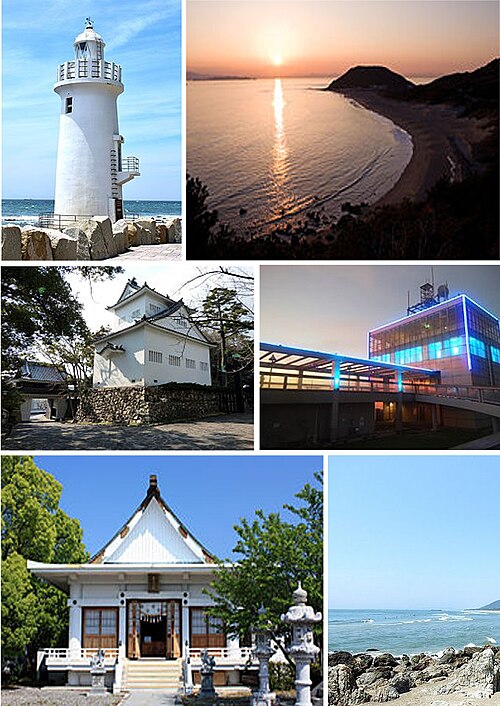
Tahara is a city located in Aichi Prefecture, Japan, situated on the eastern coast of the Atsumi Peninsula. With a population of approximately 60,000 residents, it covers an area of around 214.61 square kilometers. The city was officially established on January 1, 2005, through the merger of the former towns of Tahara, Kansen, and the village of Kira, further enhancing its cultural and economic diversity. The region boasts a rich history dating back to the Jomon period, evidenced by archaeological findings, and has evolved over centuries into a modern city while preserving its heritage.
Tahara is renowned for its beautiful natural landscapes, including coastal views and scenic hills. The city is famous for its production of high-quality green tea, particularly from the Yabukita variety, which is a significant part of its local economy. The agriculture sector also thrives in Tahara, with various crops being cultivated due to fertile soil and favorable climate conditions. The local economy benefits from both agriculture and fisheries, given its proximity to the Pacific Ocean. Tourists and residents alike enjoy numerous attractions, such as the historical Yuhigaura hot springs, the Tahara Castle ruins, and the massive sandy beaches that are popular for leisure activities. Furthermore, Tahara hosts several festivals throughout the year, celebrating its cultural heritage and community spirit. With its blend of natural beauty, agricultural richness, and historical significance, Tahara stands out as a vibrant and appealing destination in Japan.
Facts about Tahara
- Tahara is home to the renowned Tahara Castle, a historical landmark that dates back to the Edo period and offers a glimpse into the region's feudal history.
- The city is famous for producing high-quality Mikan oranges, which are a significant agricultural product in Aichi Prefecture, distinguishing it from other areas in Japan.
- Tahara is known for its picturesque coastline along the Pacific Ocean, offering stunning views and a unique seaside ambiance that attracts visitors looking for beach activities.
- The annual Tahara Matsuri, or Tahara Festival, showcases local culture with traditional performances, parades, and food, differentiating it from other regional festivals in Japan.
- Tahara is famous for the Yasuyama Hachiman Shrine, which is known for its unique architecture and historical significance, making it a key cultural site in the region.
- The city's history as a center for swordsmithing during the samurai era sets it apart from many other Japanese towns, contributing to its cultural heritage.
- Tahara hosts the Tahara Sea Festival, which celebrates marine culture with events such as boat races and seafood tastings, highlighting its connection to the sea.
- The area surrounding Tahara is rich in natural beauty, including coastal parks and scenic hiking trails that offer unique outdoor experiences not found in many urban areas.
- Tahara's deep-rooted history in traditional pottery, particularly in the production of Oribe ware, distinguishes its craft heritage from other towns known for different types of pottery.
- The city is part of the Mikawa region, which has its own distinct local traditions and dialects, further distinguishing it from other parts of Japan.