Tahoua, Niger
- 159,468 people
- 4 places to visit
- 14.8905, 5.258
Places to Visit (4)
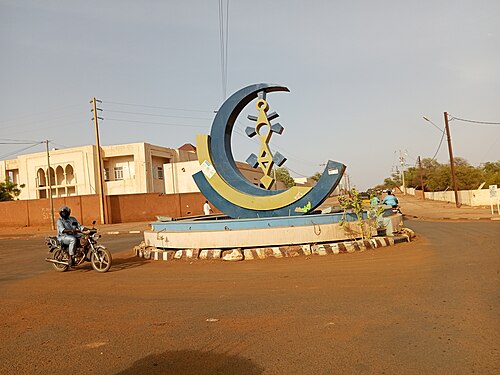
Tahoua is a city located in the central part of Niger, serving as the capital of the Tahoua Region. Situated approximately 550 kilometers northeast of the capital city, Niamey, it acts as a vital administrative and economic hub for the surrounding areas. The city has a population that reflects the diverse ethnic composition of Niger, with groups including the Hausa and Zarma being predominant. Tahoua has become a focal point for trade and commerce in the region, attracting merchants and customers alike, owing to its strategic location along important trade routes that connect northern and southern Niger.
The city is characterized by its rich cultural heritage and historical significance, playing host to various traditional festivals that celebrate the local culture and customs. Economically, Tahoua relies on agriculture, livestock, and trade to sustain its economy, with residents engaging primarily in subsistence farming. The region's agricultural activities benefit from the availability of the Niger River's tributaries, which provide irrigation for crops such as millet, sorghum, and maize. However, like many areas in Niger, Tahoua faces challenges including desertification, erratic rainfall, and limited access to resources, which can impact food security and economic stability for its residents.
In terms of infrastructure, the city has been undergoing development to improve transportation, healthcare, and education facilities. While road conditions may be variable, efforts are being made to enhance connectivity within the region and with other parts of Niger. Educational institutions are present, ranging from primary schools to higher education facilities, contributing to the local population's educational advancement. Despite numerous challenges, Tahoua remains an essential part of Niger's socio-economic landscape, embodying the resilience and spirit of its people as they navigate the complexities of modern life while preserving their traditions.
Facts about Tahoua
- Tahoua is the capital of the Tahoua Region in Niger, known for its unique blend of Tuareg and Hausa cultures.
- The city is a historical trading post, which played a significant role in the trans-Saharan trade routes, particularly for salt and gold.
- Tahoua is home to the Ténéré National Desert, which is part of the Sahara Desert and hosts the famous Ténéré tree, an iconic symbol of resilience in the harsh desert landscape.
- The region surrounding Tahoua is notable for its production of millet and other agricultural products, setting it apart from other regions primarily focused on livestock.
- Tahoua hosts the annual 'Festival of the Sahara,' which showcases traditional music, dance, and cultural exhibits, celebrating the rich heritage of the local communities.
- The city's architecture features a mix of traditional Sahelian styles, characterized by mud-brick structures, giving it a unique aesthetic compared to more urbanized areas of Niger.
- Tahoua is known for the nearby Ader Doutchi and Abalak, which are prime spots for experiencing the local nomadic lifestyles of the Tuareg people.
- The city is strategically located at the crossroads of routes leading to both Nigeria and Algeria, making it a vital transportation hub in the region.
- Tahoua is recognized for its vibrant artisanal crafts, particularly in textiles and pottery, which reflect the cultural diversity of the area.
- The local economy is bolstered by trade in various goods, including henna, which is prevalent in the tattooing culture of the region.