Taicang, China
- 831,113 people
- 4 places to visit
- 31.4478, 121.0939
Places to Visit (4)
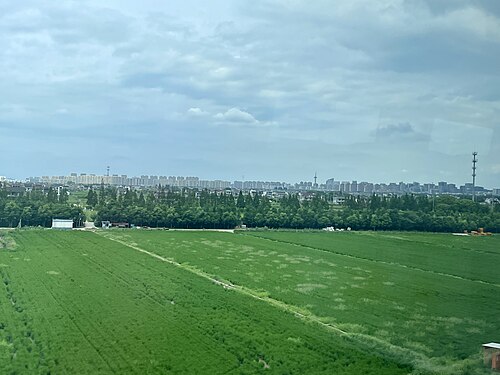
Taicang is an important city located in the Jiangsu province of China, approximately 50 kilometers west of Shanghai. With a population of around 1.5 million people, it is a key player in the region's economic development. Taicang lies at the confluence of the Yangtze River and the Jiangsu coastal area, giving it strategic significance in terms of transportation and trade. Historically, the city has thrived due to its location along the Grand Canal, which has facilitated commerce and cultural exchange for centuries. Taicang is known for its rich cultural heritage, including its delightful gardens, historic temples, and well-preserved ancient architecture.
In recent years, Taicang has transitioned from its traditional agricultural roots to a modern industrial city, attracting foreign investment and becoming a hub for manufacturing and technology. The local economy is characterized by diverse sectors, including electronics, textiles, and automotive components. The government has implemented various policies to foster innovation and entrepreneurship, leading to the establishment of numerous industrial parks. Furthermore, the city's proximity to Shanghai enhances its appeal as a logistics and trading center, allowing for efficient distribution and connectivity to global markets. Living in Taicang offers a blend of urban conveniences and a more relaxed lifestyle compared to bustling metropolises, making it a desirable place for professionals and families alike. As Taicang continues to develop, its rich history and modern advancements are poised to coexist harmoniously, positioning the city as an influential player in both regional and national scenarios.
Facts about Taicang
- Taicang is known for its rich maritime history, as it was an important port city during the Ming and Qing dynasties, facilitating trade with foreign countries.
- The city is home to the famous Taicang Temple, which dates back to the Song Dynasty and showcases traditional Chinese architecture and spirituality.
- Taicang has a unique geographical feature as it is located along the Yangtze River, making it a significant hub for both transportation and commerce.
- The city is recognized for its cultural heritage, particularly in the arts, as it is noted for its traditional Chinese opera and folk performances.
- Taicang has been designated as a Key National Historical and Cultural City by the Chinese government, highlighting its importance in China's cultural landscape.
- The annual Taicang International Orchid Festival attracts visitors from around the country, showcasing a wide variety of orchids and promoting eco-tourism.
- Taicang's economy is significantly bolstered by its development zones, including the Taicang Economic and Technological Development Zone, which attracts foreign investment.
- The city has a unique culinary scene, known for its seafood dishes and local specialties such as 'Taicang crab,' which is celebrated for its quality and flavor.
- Taicang is one of the selected pilot cities for sustainable urban development in China, implementing green technologies and infrastructure.
- The local government has established numerous cultural exchange programs, fostering relations with international cities and promoting Taicang's heritage globally.