Taipei, Taiwan
- 7,871,900 people
- 16 places to visit
- 25.033, 121.5654
Places to Visit (16)
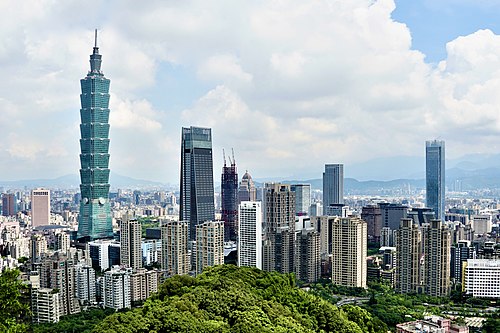
Taipei, the capital city of Taiwan, is a vibrant metropolis known for its rich history, bustling urban environment, and unique blend of traditional culture and modernity. Situated in the north of the island, Taipei is bordered by mountains, providing a picturesque backdrop that complements its urban landscape. As of 2021, it had a population of approximately 2.7 million residents, making it the most populous city in Taiwan. The city is characterized by its efficient public transportation system, including the Taipei Metro, which connects various districts and makes commuting easy for both residents and visitors.
Taipei's cultural tapestry is woven from its history as a colonial city, having been under Japanese rule from 1895 to 1945, and its subsequent development as a key player in the post-war economic boom. The National Palace Museum, which houses one of the world's largest collections of Chinese imperial artifacts, attracts millions of tourists annually, reflecting Taiwan's rich heritage. The city is also known for its iconic Taipei 101 skyscraper, once the tallest building in the world, symbolizing Taiwan's modern aspirations. Night markets, such as Shilin and Raohe Street, offer a taste of local cuisine, featuring an array of street foods ranging from stinky tofu to bubble tea, and serve as social hubs where locals and tourists alike enjoy the vibrant atmosphere.
In addition to its cultural and economic significance, Taipei serves as a political center and is known for its progressive social policies. The city is home to numerous educational institutions, healthcare facilities, and research centers, contributing to a high standard of living and a well-educated populace. Taiwanese identity is expressed through festivals and public celebrations, showcasing the island's indigenous and Chinese heritage. The city's blend of old and new is also reflected in its architecture, where traditional temples coexist with modern skyscrapers. As a crucial gateway to Taiwan's broader technological landscape, Taipei remains an influential hub for business, innovation, and cultural exchange in East Asia.
Facts about Taipei
- Taipei is home to Taipei 101, which was the tallest building in the world from 2004 until 2010 and is an iconic symbol of modern architecture in Taiwan.
- The city is known for its vibrant night markets, with Shilin Night Market being the largest and most famous, offering a variety of local street food and goods.
- Taipei serves as the political, economic, and cultural center of Taiwan, housing the Presidential Office Building and numerous museums.
- The city has a unique blend of traditional and modern influences, evident in landmarks like the 18th-century Longshan Temple and contemporary art spaces.
- Taipei is renowned for its efficient public transportation system, including the Taipei Metro, which is one of the best in Asia.
- The city's National Palace Museum holds one of the world's largest collections of Chinese imperial artifacts, showcasing over 5,000 years of history.
- Taipei hosts the annual Taipei International Flora Expo, showcasing innovative horticulture and attracting visitors from around the world.
- The city has a significant role in the global technology industry, particularly in semiconductor manufacturing and electronics.
- Taipei is known for its extensive network of public parks and outdoor spaces, including the popular Yangmingshan National Park, which offers hiking trails and hot springs.
- Taipei's rich history includes its establishment during the Qing Dynasty and its development into a major city during Japanese rule, influencing its architecture and culture.