Takefu, Japan
- 75,753 people
- 4 places to visit
- 35.9039, 136.1669
Places to Visit (4)
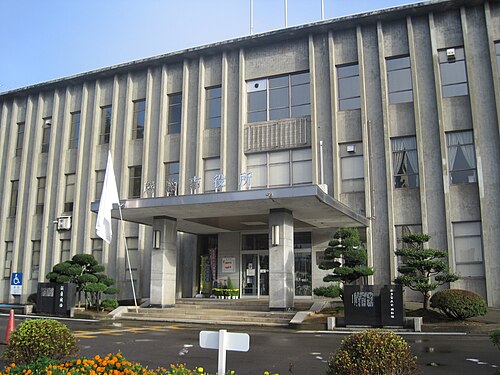
Takefu is a city located in Fukui Prefecture, Japan, renowned for its rich history, traditional culture, and beautiful natural landscapes. The area is part of the larger Echizen region, which has a reputation for its excellent craftsmanship, including the famous Echizen pottery. Situated in the western part of Japan's Honshu island, Takefu was officially designated as a city on March 1, 2004, through the merger of the towns of Takefu, Tsuruga, and other surrounding areas. This strategic consolidation aimed to enhance local administrative efficiency and promote regional development.
The city is situated near the Asuwa River, which has historically played a key role in the local economy, providing water resources and fertile land for agriculture. It is surrounded by mountains and lush greenery, offering opportunities for outdoor activities such as hiking and fishing. The climate in Takefu features four distinct seasons, with snowy winters and warm summers, making it an appealing destination for those seeking both seasonal beauty and recreational pursuits. Takefu is also known for hosting several cultural festivals throughout the year, including traditional parades and seasonal celebrations rooted in local folklore.
In addition to its natural beauty and cultural heritage, Takefu boasts a burgeoning economy supported by manufacturing, agriculture, and tourism. The city has established itself as a hub for industries such as textiles and electronics. It also fosters a vibrant local food scene, with specialty dishes that highlight regional ingredients like fresh seafood and locally sourced vegetables. As Takefu continues to develop, it remains committed to preserving its historical sites and traditions while embracing modern advancements. With its unique blend of history, culture, and natural surroundings, Takefu offers a glimpse into both traditional Japanese life and contemporary progress.
Facts about Takefu
- Takefu is known for its historical significance as it was a prominent location during the early 20th century for silk production, contributing to Japan's silk industry.
- The city is home to the Takefu Post Office, which features a unique architectural style and is one of the oldest post offices in the region, dating back to the Meiji period.
- Takefu hosts the annual Takefu Matsuri, a vibrant festival celebrating local culture, featuring traditional performances, food stalls, and parades, attracting visitors from all over Japan.
- The city is surrounded by beautiful natural landscapes, including the picturesque mountains of the Chūbu region, making it a popular destination for outdoor enthusiasts, especially for hiking and cycling.
- Takefu is noted for its rich pottery tradition, especially Takefu ware, which has gained recognition for its unique designs and high-quality craftsmanship.
- The Takefu Tanabata Festival is a local celebration where colorful streamers and decorations adorn the streets, reflecting the cultural significance of the Tanabata legend in Japanese folklore.
- Takefu has a strong agricultural sector, particularly in rice cultivation, and hosts the annual Takefu Rice Festival, showcasing various rice dishes and promoting local rice producers.
- The city is a center for education and research, hosting several educational institutions and promoting initiatives for sustainable practices in agriculture and environmental conservation.
- Takefu is recognized for its role in the development of modern Japanese architecture, featuring buildings that reflect both traditional and contemporary styles.
- The city's commitment to community and sustainability is evident through various local initiatives aimed at preserving heritage while fostering innovation, making it distinct from larger urban areas.