Takehara, Japan
- 30,506 people
- 17 places to visit
- 34.3418, 132.9071
Places to Visit (17)
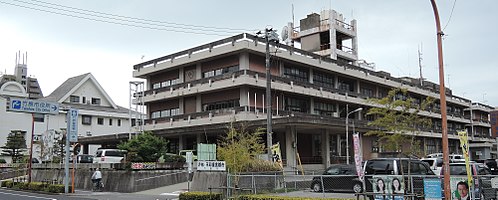
Takehara is a charming city located in Hiroshima Prefecture, Japan, known for its rich history, beautiful landscapes, and unique cultural heritage. Nestled between the Seto Inland Sea and the mountains, Takehara is positioned in a geographically favorable area that has historically made it an important center for trade and commerce. The city has a population of approximately 28,000 residents, contributing to its vibrant yet tranquil atmosphere. Takehara is often celebrated for its well-preserved Edo-period architecture, particularly in its historical district, where traditional wooden buildings and warehouses reflect the architectural style of the time. The area gives visitors a glimpse into Japan's past and is an essential part of Takehara's appeal.
Takehara is also famous for its production of sake, a traditional Japanese rice wine, with a history dating back to the Edo period. The city is home to several sake breweries, which attract both locals and tourists interested in the cultural significance of this beverage. Visitors can participate in sake tasting tours and learn about the brewing process, adding a gastronomic dimension to their exploration of the city. Additionally, Takehara is close to the scenic landscapes of the Seto Inland Sea, where many visitors enjoy outdoor activities such as hiking and cycling. Nearby, the beautiful islands of the Seto Inland Sea provide ample opportunities for day trips and explorations, showcasing the region's natural beauty. The combination of cultural experiences, historical sites, and stunning scenery makes Takehara a unique and attractive destination for tourists and residents alike.
Facts about Takehara
- Takehara is renowned for its historical preservation, particularly the Takehara Historical District, where traditional wooden warehouses and buildings from the Edo period can be found.
- The city is famous for its production of sake, with several prominent breweries situated in the area, including the famous Takehara Shuzo.
- Takehara is recognized as a 'Sake Town' and is part of the Japan Sake and Shochu Makers Association, showcasing its significant role in Japan's sake industry.
- The city has been celebrated for its scenic natural landscapes, including the nearby Seto Inland Sea and its picturesque coastline.
- Takehara is home to the Takehara Art Museum, which features works that highlight both local and international artists, making it a cultural hub.
- The city has a unique and rich history of preserving traditional crafts, including the art of making 'Takehara Nishiki,' a style of intricate textile work.
- Takehara’s annual events include the Takehara Sake Festival and the Takehara Cherry Blossom Festival, which attract many visitors each year.
- The city played a significant role during Japan's Meiji Restoration, serving as a key point for trade and cultural exchange.
- Takehara is noted for its proximity to historic sites such as the Hiroshima Peace Memorial and the Itsukushima Shrine on Miyajima Island.
- The city is recognized for its eco-friendly initiatives, promoting sustainable tourism and conservation of its historical sites and natural resources.