Tala, Mexico
- 35,396 people
- 6 places to visit
- 20.6586, -103.7046
Places to Visit (6)
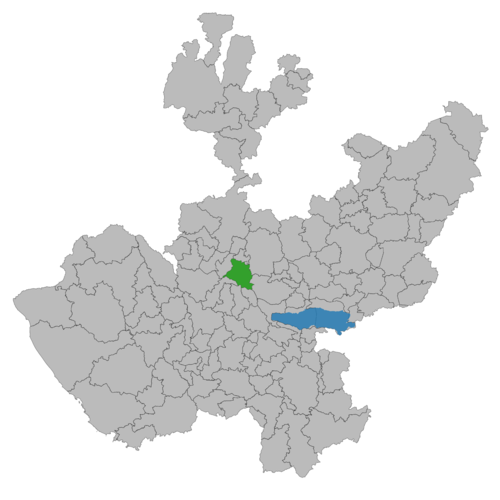
Tala is a municipality and city located in the state of Jalisco, Mexico, situated about 25 kilometers (15.5 miles) northwest of Guadalajara, the state capital. With a population of over 50,000 residents, Tala forms part of the Guadalajara Metropolitan Area, contributing to its growth and urban development. The city is known for its agricultural activities, particularly in the cultivation of crops such as corn, beans, and various fruits, which play a significant role in the local economy. Tala's geographical landscape is characterized by rolling hills and fertile valleys, making it conducive to farming.
Established as a municipality in the late 19th century, Tala has a rich cultural heritage blending indigenous traditions with Spanish colonial influences. The city features historical architecture and sites, including the notable Parish of San Francisco de Asís, which remains a central landmark. Local festivities, including the celebration of its patron saint, draw communities together, highlighting traditional dance, music, and cuisine. Additionally, Tala's proximity to Guadalajara provides residents and visitors with access to the larger city's amenities while maintaining a more tranquil, rural lifestyle. Over recent years, Tala has experienced urbanization and development, with new infrastructure and residential projects reflecting its growing importance in the region.
Facts about Tala
- Tala is known for its rich agricultural production, particularly in the cultivation of fruits like lemons and mangoes, which thrive in its favorable climate.
- The town is home to the historic Temple of San Francisco de Asís, a significant architectural landmark built in the 17th century, showcasing Baroque style.
- Tala has its own local festival, the Feria de la Primavera, celebrated annually to honor the arrival of spring with parades, cultural events, and food stalls.
- The city has a significant indigenous history, originally inhabited by the Nahua people, which is reflected in its cultural traditions and local dialect.
- Tala is located near the Bosque de la Primavera, a large protected natural area that offers hiking, wildlife viewing, and recreational activities, distinguishing it from urban environments.
- The area boasts a strong tradition in artisanal crafts, particularly pottery and woven goods, which are produced by local artisans and sold at markets.
- Tala has experienced significant growth due to its proximity to Guadalajara, attracting businesses and residents looking for a rural lifestyle with access to urban amenities.
- The city's economy has diversified beyond agriculture, with increasing investments in manufacturing and services, contributing to its emerging economic profile.
- Tala celebrates its heritage through annual cultural events which include traditional music and dance, making it a unique center for cultural preservation in Jalisco.
- The municipality of Tala incorporates several archaeological sites, including remnants from the pre-Hispanic era, providing insights into ancient Mesoamerican societies.