Talavera de la Reina, Spain
- 88,856 people
- 13 places to visit
- 39.9617, -4.8258
Places to Visit (13)
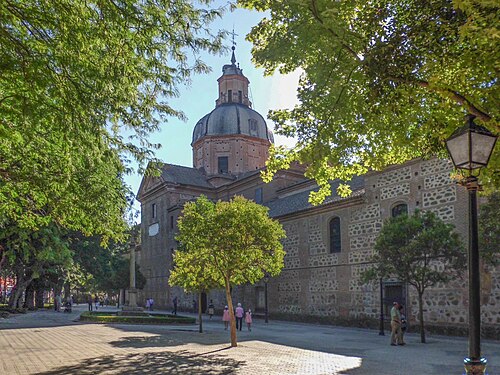
Talavera de la Reina is a historic city located in the province of Toledo, within the autonomous community of Castilla-La Mancha, Spain. Situated along the banks of the Tagus River, approximately 120 kilometers southwest of Madrid, it is known for its rich cultural heritage and significant contributions to Spanish ceramics. The city has a population of around 85,000 inhabitants and boasts a diverse array of architectural styles that reflect its long and varied history, which dates back to Roman times when it was known as "Talabaria." The city's strategic location made it an important center for trade and military operations, and it has seen influences from various cultures, including the Romans, Moors, and Christians.
One of Talavera de la Reina's most notable features is its traditional pottery, recognized for its distinctive blue and white designs. The craftsmanship of Talavera ceramics has been upheld for centuries, making the city a center of artisanal production. In recognition of this cultural significance, the city has been awarded the designation of Geographical Indication for its pottery. Besides its thriving ceramics industry, Talavera de la Reina is home to several historical landmarks. The Basilica de Nuestra Señora del Prado, an example of late Gothic architecture, houses a revered image of the Virgin Mary. The city also features remnants of its medieval walls, the Plaza del Anchurón, and the stunning Gothic-style Church of Santo Domingo.
In addition to its cultural and historical importance, Talavera de la Reina has a vibrant local economy that combines traditional industries with modern developments. The city is well-connected by road and rail, making it accessible for visitors and facilitating commercial activities. Talavera celebrates various festivals throughout the year, incorporating its rich traditions, with the Feria in September being one of the most important events. The blend of history, art, and community spirit makes Talavera de la Reina a captivating destination that reflects the essence of Spanish cultural identity.
Facts about Talavera de la Reina
- Talavera de la Reina is renowned for its traditional pottery and ceramics, particularly its distinctive blue and white Talavera pottery, which has been recognized with a Denomination of Origin status.
- The city is home to the historic San Servando Castle, an impressive 11th-century fortress that offers stunning views of the surrounding landscape and reflects the city's Moorish past.
- Talavera played a significant role during the Spanish Civil War, serving as a frontline location and a site of various military confrontations, which shaped its modern historical narrative.
- The city celebrates the annual Festival of San Isidro, which features a unique procession of floats adorned with flowers, tradition that blends agricultural customs with religious festivities.
- Talavera de la Reina is known for its important contributions to the development of the Spanish textile industry, particularly in the production of high-quality wool and lace products.
- The city has a rich artistic heritage, being the birthplace of notable Spanish painter Rafael Zabaleta, whose works are recognized for their vibrant colors and depictions of rural life.
- Talavera's strategic position along the Tagus River historically made it an important trade center, connecting various regions of Spain.
- Each summer, the city hosts the Talavera de la Reina Bullfighting Festival, attracting renowned matadors and bullfighting enthusiasts from all over the country.
- The Basilica del Prado, located in Talavera, is an impressive example of Spanish Baroque architecture and is home to the revered Virgen del Prado, the city's patron saint.
- Talavera de la Reina has a rich tradition of flamenco music and dance, further setting it apart as a cultural hub in the region of Castile-La Mancha.