Tamale, Ghana
- 464,316 people
- 4 places to visit
- 9.4034, -0.8424
Places to Visit (4)
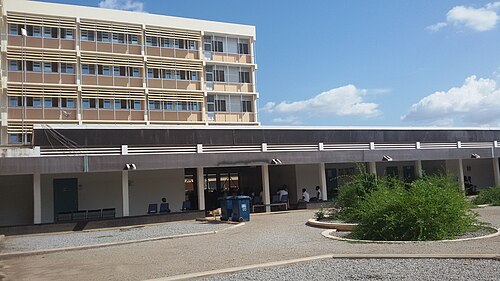
Tamale is the capital city of the Northern Region of Ghana, serving as a pivotal administrative and commercial center for the northern part of the country. Established in the late 19th century, Tamale has grown from a small settlement into one of Ghana's largest cities, with a population exceeding 360,000 as of the 2021 census. The city is strategically located in the central part of the Northern Region, making it an important hub for trade and transportation. It lies near the confluence of various routes, connecting the urban areas of the north to the south, and serving as a gateway for trade with neighboring countries such as Burkina Faso and Togo.
Tamale is renowned for its vibrant cultural heritage, reflecting a diverse mix of ethnic groups, primarily the Dagbani-speaking Dagombas, Mamprusis, and Nanumbas. The city is characterized by its lively markets, with the Tamale Central Market being one of the largest in the region. This bustling marketplace is a focal point for commerce, where local artisans, traders, and farmers converge to sell goods ranging from textiles and traditional crafts to fresh produce and livestock. Additionally, Tamale has made strides in education and health services, housing various educational institutions, including the Tamale Technical University and several senior high schools. The presence of the Tamale Teaching Hospital also underscores the city's role in providing healthcare to the surrounding communities.
Tamale's climate is characterized by a tropical savanna climate, featuring a distinct wet and dry season. The rainy season typically occurs from May to October, while the dry harmattan winds from the Sahara dominate the months of December to February. The city is also known for its unique architectural landscape, which includes traditional mud houses adorned with intricate designs alongside modern buildings. Tourism in Tamale has been on the rise, offering visitors a chance to experience traditional festivals, local cuisine, and the beautiful landscapes of the surrounding countryside, which includes the Dagbon palace and several cultural sites. Overall, Tamale stands out as a city that embodies the rich cultural tapestry and vibrant economic potential of northern Ghana.
Facts about Tamale
- Tamale is the capital of the Northern Region of Ghana and is known for its unique blend of Dagbani culture and traditions.
- The city is the largest in the northern part of Ghana and serves as a gateway to other northern cities and rural communities.
- Tamale is renowned for its vibrant market, known as the Tamale Central Market, which is one of the largest markets in the north and offers a variety of local goods, crafts, and food.
- The city is famous for its leather industry, particularly the production of handcrafted sandals, bags, and other leather goods that are popular both locally and internationally.
- Tamale is host to the annual Tamale Cultural Festival, which celebrates the rich cultural heritage of the Dagbani people through music, dance, and traditional performances.
- The Tamale Town Park is one of the largest recreational spaces in the city, hosting local events, gatherings, and festivals, making it a central hub of activity.
- Tamale is strategically located near the Mole National Park, one of Ghana's premier wildlife reserves, making it a popular base for ecotourism and wildlife enthusiasts.
- The city is noted for its progressive role in education, with several institutions including the Tamale Technical University and various senior high schools contributing to the region's literacy rate.
- Tamale has a diverse population that includes various ethnic groups, contributing to a rich tapestry of customs, practices, and languages that can be experienced throughout the city.
- The city is well-known for its unique style of war dances and music, such as the popular Dagbani music genre, which plays a significant role in the cultural identity of the people.