Tampico, Mexico
- 309,003 people
- 16 places to visit
- 22.2331, -97.8611
Places to Visit (16)
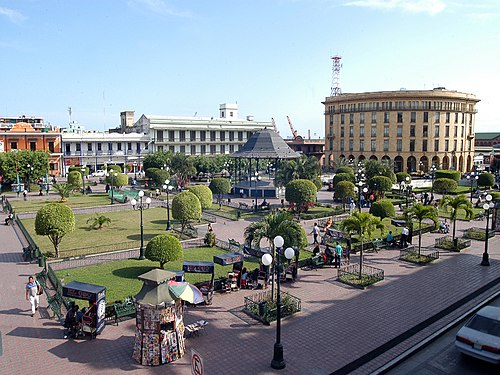
Tampico is a significant port city located in the northeastern region of Mexico, within the state of Tamaulipas. Nestled at the confluence of the Pánuco River and the Gulf of Mexico, Tampico serves as an essential economic hub, especially in the oil and seafood industries. Founded in 1823, the city has a rich historical background that showcases its development from a small fishing village to a bustling urban center. Its strategic location has historically made it an important gateway for trade and transportation, contributing to its growth and prosperity throughout the years.
The architecture in Tampico is a mixture of colonial and contemporary styles, reflecting its diverse cultural influences, including Spanish, Carribean, and indigenous traditions. Notable landmarks such as the historic Plaza de la Libertad and the ornate Palacio de la Cultura serve as reminders of the city’s colonial past. Ideas of urban planning and cultural activities have led to revitalized public spaces and parks along the waterfront, enhancing the city’s appeal. Additionally, Tampico is known for its vibrant festivals, particularly the Carnival, which showcases the local culture through music, dance, and colorful parades. The city also boasts natural attractions, including nearby beaches and wetlands that are part of the Tamaulipas biosphere reserve, attracting visitors and providing recreational opportunities.
Today, Tampico continues to thrive as a commercial and cultural center, with a diverse economy bolstered by industries such as petroleum, commerce, and tourism. Educational institutions contribute to the local workforce by providing skilled graduates in various fields. While it faces challenges commonly associated with urban development, such as infrastructural demands and environmental concerns, Tampico is defined by its resilient spirit and vibrant community life. As a notable city with historical significance, cultural richness, and economic potential, Tampico plays an essential role in the broader narrative of Mexico's development.
Facts about Tampico
- Tampico is known as the 'Pearl of the Gulf' due to its historical significance as a major port city and its beautiful coastal scenery.
- The city played a pivotal role in the Mexican oil boom of the early 20th century, making it a center for oil trade and industry.
- Tampico features a unique architectural blend of French, Spanish, and Art Deco styles, particularly evident in the Grand Plaza and its historic buildings.
- The city is home to the historic Tampico Cathedral, built in the neoclassical style, which was completed in 1894 and is a central landmark of the town.
- The nearby Laguna del Carpintero is known for its diverse bird species and is recognized for its ecological importance, attracting bird watchers and nature lovers.
- Tampico hosts the renowned Festival Nacional de la Salsa, celebrating salsa music and dance, drawing participants and visitors from all over Mexico and beyond.
- The city has a rich cultural heritage, heavily influenced by its indigenous Huasteca roots, which is showcased during various local festivals and traditions.
- Tampico is strategically located where the Pánuco River meets the Gulf of Mexico, making it an important transportation hub for goods and commerce.
- The city's culinary scene is distinctive for its seafood dishes, particularly those featuring fresh fish, shrimp, and oysters from the Gulf.
- Tampico's vibrant nightlife and entertainment options are marked by its many plazas, live music venues, and cultural events, setting it apart from many other Mexican cities.