Tanga, Tanzania
- 393,429 people
- 6 places to visit
- -5.0889, 39.1023
Places to Visit (6)
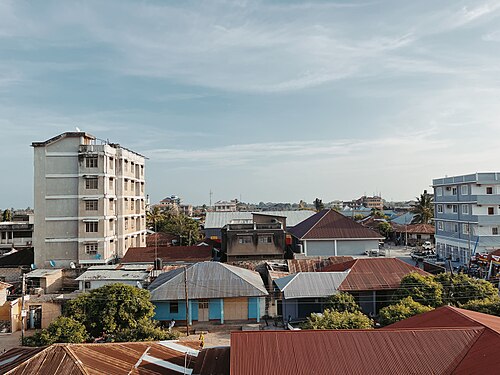
Tanga is a vibrant coastal city located in northeastern Tanzania, situated along the shores of the Indian Ocean. It is the capital of the Tanga Region and is one of the oldest port cities in East Africa, established in the late 19th century. With a population of approximately 250,000 inhabitants, Tanga serves as a commercial and administrative center, contributing significantly to the region's economy through trade and agriculture. The city is strategically positioned, providing access to the sea and serving as a gateway to neighboring countries, including Kenya and Uganda. The port of Tanga is crucial for shipping, and it is used for both cargo and passenger transport, enhancing Tanzania's trade connectivity.
Tanga boasts a rich cultural heritage influenced by the diverse ethnic groups residing in the area, including the Zaramo, Chaga, and Swahili people. This cultural melting pot is reflected in the city's architecture, cuisine, and festivals. The area is known for its beautiful sandy beaches, such as Ngambo Beach and Pangani, which attract tourists seeking relaxation and adventure. Beyond its natural beauty, Tanga is home to historical landmarks, including the Old German Boma and the Tanga lighthouse, which hark back to its colonial past. The region also features several attractions for nature enthusiasts, such as the nearby Saadani National Park, where visitors can experience wildlife and participate in eco-tourism activities. The combination of history, culture, and natural beauty makes Tanga a significant city in Tanzania, poised for growth and development in the coming years.
Facts about Tanga
- Tanga is one of Tanzania's oldest cities, established in the 16th century as a trading port on the East African coast.
- It is home to the Tanga Clock Tower, a historic landmark built during the German colonial period in the early 1900s.
- Tanga has a unique coastal climate characterized by the monsoon, which provides a different ecosystem compared to the interior cities.
- The city is known for its vibrant Swahili culture, with influences from Arab and Persian traders who settled along the coast.
- Tanga is the gateway to the beautiful beaches of Pangani and the Saadani National Park, offering unique eco-tourism opportunities.
- The Tanga region hosts the famous Mkomazi National Park, known for its conservation efforts, particularly involving the black rhino.
- Tanga has a significant history in the production of sisal, once being the world’s largest exporter of this fiber before its decline.
- The town is renowned for the annual Tanga International Marathon that promotes sports and tourism in the region.
- Tanga's harbor is one of the most important in Tanzania, facilitating maritime trade and connecting the country to international markets.
- It is also known for its diverse culinary scene, including dishes that reflect its rich history of trade and multicultural influences.