Tangier, Morocco
- 1,035,141 people
- 13 places to visit
- 35.7595, -5.8339
Places to Visit (13)
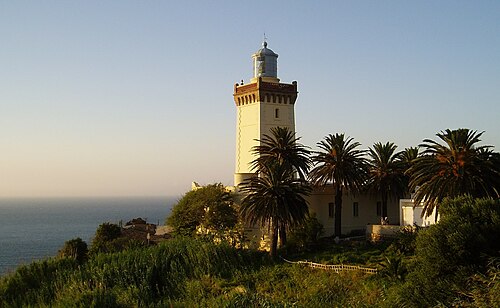
Tangier, located at the northern tip of Morocco, is a vibrant city known for its rich history, diverse culture, and strategic location at the entrance to the Strait of Gibraltar. As one of the oldest cities in Morocco, its history dates back to the prehistoric era, with various civilizations, including the Phoenicians, Romans, and Arabs, contributing to its cultural tapestry. The city played a significant role during the colonial period, serving as an international zone in the early 20th century, where several foreign powers established a presence. This unique status has endowed Tangier with a cosmopolitan atmosphere, reflecting a blend of Moroccan, Spanish, French, and English influences.
Today, Tangier is a bustling port city with a population of over 900,000 residents, attracting visitors with its picturesque medina, vibrant markets, and stunning coastal views. The medina, characterized by narrow winding streets and whitewashed buildings adorned with colorful mosaics, is a UNESCO World Heritage site and offers a glimpse into the city's rich artistic traditions. The Kasbah, a historic fortress, provides panoramic views of the harbor and serves as a reminder of the city's strategic significance throughout history. Tangier also boasts modern amenities, including new infrastructure and business developments, positioning itself as a gateway for trade and tourism between Europe and Africa. With its dynamic blend of history, culture, and modernity, Tangier continues to captivate travelers and serves as a symbol of Morocco’s evolving identity.
Facts about Tangier
- Tangier is located at the point where the Atlantic Ocean meets the Mediterranean Sea, giving it a strategic geographical position.
- Historically, Tangier was an International Zone from 1923 to 1956, meaning it was governed by multiple countries including France, Spain, and the UK, which influenced its multicultural character.
- The city is home to the Caves of Hercules, a popular tourist attraction that is steeped in legend and offers stunning views of the coastline.
- Tangier's medina is known for its vibrant markets and intricate architecture, making it one of the most picturesque in Morocco.
- The city played a significant role in the art and literary scenes of the 20th century, attracting famous writers and artists such as Paul Bowles, Tennessee Williams, and Henri Matisse.
- Tangier hosts the Tangier Book Fair, which is one of the largest literary events in Morocco, celebrating literature and culture.
- The American Legation Museum in Tangier is the first American public property outside the United States, highlighting the long-standing diplomatic relations between Morocco and the U.S.
- Tangier's Ras el Ma is a beach that has natural freshwater springs, historically providing fresh water and making it a favored spot for both locals and visitors.
- The city has a unique mix of different architectural styles, including Moorish, Gothic, and modernist influences, due to its diverse cultural history.
- Tangier was known as the 'Gateway to Africa,' serving as a significant point of entry for travelers and trade between Europe and Africa.