Tapachula, Mexico
- 202,672 people
- 12 places to visit
- 14.9056, -92.2634
Places to Visit (12)
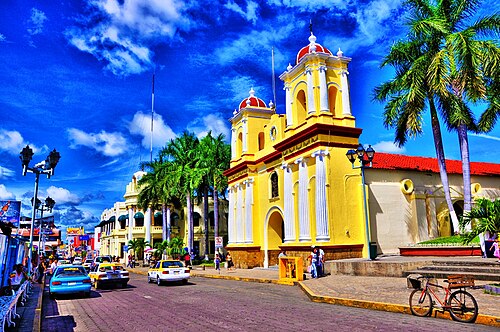
Tapachula is a city located in the southern part of Mexico, specifically in the state of Chiapas near the border with Guatemala. It serves as a crucial hub for commerce, transportation, and migration in the region. The city's geographic location makes it a strategic point for trade activities, primarily due to its close proximity to the Pacific coast and the various trade routes that connect Mexico with Central America. Tapachula’s economy is largely based on agriculture, with the cultivation of coffee, sugarcane, bananas, and tropical fruits being particularly significant. These agricultural products not only serve local consumption but are also exported to various international markets, contributing to the city's economic growth.
Founded in the late 19th century, Tapachula has grown to become the second-largest city in Chiapas. The city's climate is tropical, characterized by high humidity and warm temperatures throughout the year, which supports its fertile agricultural activities. Tapachula is also known for its cultural diversity, influenced by the presence of various indigenous groups, as well as migrants from Central America. This diversity is reflected in the local customs, cuisine, and festivals. The city has several historical and cultural landmarks, including colonial-era churches and vibrant markets. Furthermore, Tapachula plays a significant role in the ongoing migration crisis, as many Central American migrants pass through the city in their attempts to reach the United States, leading to a complex interplay of humanitarian and political challenges in the region. Overall, Tapachula stands out as a vibrant city that embodies the rich cultural tapestry and economic dynamism of southern Mexico while facing contemporary challenges.
Facts about Tapachula
- Tapachula is known as the 'Gateway to Chiapas,' serving as a crucial entry point to Mexico from Central America, particularly for migrants and trade.
- The city is home to the iconic 'Centro Cultural de Chiapas' which promotes the rich cultural heritage of the region through art and performances.
- Tapachula hosts the annual 'Feria Tapachula,' one of the largest cultural and commercial festivals in Chiapas, featuring traditional music, food, and art.
- It was founded in 1492, making it one of the older cities in the region, with a history that dates back to pre-Columbian times.
- The city's economy is significantly bolstered by its proximity to the Pacific port of Tapachula, making it a hub for exports and trade.
- Tapachula is famous for its cacao production and is part of the growing trend of craft chocolate manufacturing in Mexico.
- The region around Tapachula features stunning natural landscapes, including the Izapa archaeological site, which showcases ancient Mesoamerican ruins.
- Tapachula enjoys a tropical climate, with a unique biodiversity that includes various species of flora and fauna not found in other parts of Mexico.
- The city has a strong coffee culture, being located in one of Mexico's prime coffee-growing regions, with many local plantations offering tours and tastings.
- Tapachula serves as a melting pot of cultures due to its location, with a diverse population that includes indigenous groups and immigrants from various countries.