Taranto, Italy
- 198,585 people
- 16 places to visit
- 40.4622, 17.2689
Places to Visit (16)
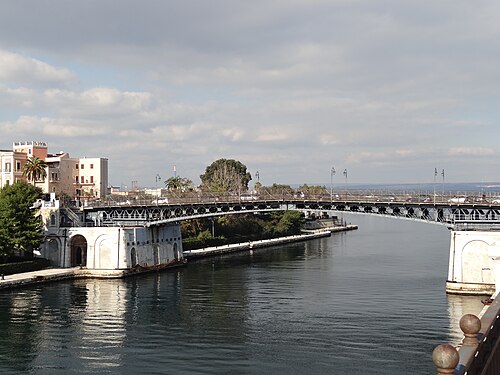
Taranto is a historic port city located in the Apulia region of southern Italy, known for its strategic position along the Ionian Sea. With roots that trace back to the ancient Greek colony of Taras, established in the 8th century BC, the city has a rich cultural and historical heritage. Taranto played a significant role in the history of Magna Graecia and was known for its formidable navy and thriving economy during antiquity. Today, the city is characterized by its blend of ancient and modern influences, featuring an intriguing array of architectural styles, including the remnants of Greek temples, Aragonese castles, and baroque churches. Taranto’s old town, situated on a small island, is filled with narrow streets, quaint squares, and historic sites that reflect its long-standing importance as a cultural and commercial hub.
The economy of Taranto is heavily influenced by its maritime activities, with the port being one of the largest in Italy. The shipbuilding industry has traditionally been a significant employer, alongside the local steelworks and manufacturing sectors. However, Taranto faces economic challenges due to environmental concerns linked to industrial pollution, particularly from the Ilva steel plant, which has been under scrutiny for its impact on public health and the environment. In response to these concerns, local and national authorities have sought to implement measures for sustainable development while promoting tourism. The area boasts beautiful beaches, archaeological sites, and natural parks, such as the nearby Parco Naturale Regionale del Taranto, which attract visitors and contribute to the local economy. The combination of historical significance, industrial activity, and natural beauty defines Taranto as a city of contrasts, navigating its complex legacy while aiming for a sustainable future.
Facts about Taranto
- Taranto is home to the Aragonese Castle, a 15th-century fortress that has become a symbol of the city's long history and military significance.
- The city is known for its unique blend of Greek and Roman influences, evident in archaeological sites such as the ancient Spartan city of Taras.
- Taranto is located at the point where the Ionian Sea meets the Gulf of Taranto, making it one of the most important naval ports in Italy.
- The city's historic center, also called 'Old Taranto', features narrow streets and ancient buildings, showcasing a mix of architectural styles from various eras.
- Taranto boasts a rich culinary tradition, famous for its seafood, particularly the local specialty of 'cozze alla tarantina' (Taranto-style mussels).
- The Taranto Film Festival is an annual cultural event that highlights independent films and serves as a platform for emerging filmmakers.
- Taranto's industrial district is one of the largest in Europe, prominently featuring the Ilva steelworks, which has influenced the city's economy and job market.
- The city's annual 'Carnival of Taranto' is known for its vibrant parades and traditional masks, offering a unique celebration distinct from other Carnivals in Italy.
- Taranto is home to the National Archaeological Museum of Taranto, which houses a significant collection of artifacts from the ancient Greek and Roman periods.
- The city has a unique nightlife, characterized by waterfront bars and restaurants along the beautiful promenade, known as 'Lungomare' offering stunning views of the sea.