Tarbes, France
- 52,106 people
- 7 places to visit
- 43.233, 0.0781
Places to Visit (7)
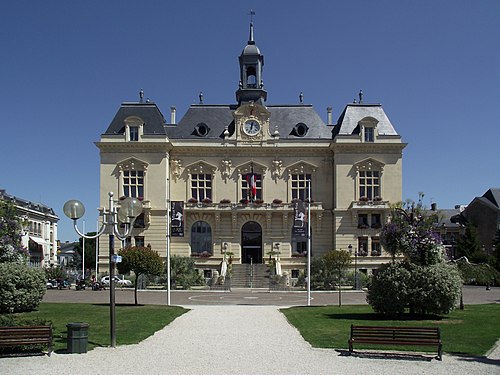
Tarbes is a commune located in the Hautes-Pyrénées department, nestled in the Occitanie region of southwestern France. Situated alongside the Adour River, Tarbes serves as a significant economic and cultural hub in the region. With a population of approximately 40,000 residents, it is known for its strategic position near the Pyrenees mountains, making it a gateway for outdoor activities such as hiking and skiing. The city enjoys a temperate climate, characterized by warm summers and mild winters, which enhances its appeal as a tourist destination.
Historically, Tarbes has roots dating back to Roman times, and its name is believed to be derived from the Latin word "Tarba," meaning "river." The city features several notable architectural landmarks, including the impressive Eglise Sainte-Marie, a neo-Gothic church that dominates the skyline, and the luxurious gardens of the Jardin Massey, which were designed in the 19th century and are recognized for their beauty and biodiversity. Tarbes is also closely tied to the military, being home to a significant French Army presence, which contributes to its local economy and social fabric.
In addition to its rich history and beautiful landscapes, Tarbes hosts various cultural events and festivals that reflect its vibrant community spirit. The Tarbes Festival, held annually, showcases local music and arts, drawing visitors from the surrounding regions. The city's economic landscape is diverse, with agriculture, aerospace, and tourism playing prominent roles. Tarbes is part of the greater Tarbes-Lourdes-Pyrénées urban area, which enhances its connectivity and access to services. With its blend of history, nature, and culture, Tarbes continues to be a charming and dynamic city in France.
Facts about Tarbes
- Tarbes is renowned for its beautiful gardens, particularly the Jardin Massey, which dates back to the 19th century and showcases a diverse array of plants, trees, and art.
- The city hosts the annual Festival International de Jazz de Tarbes, attracting jazz enthusiasts from around the world and contributing to its vibrant cultural scene.
- Tarbes is the birthplace of the French textile industry, with a rich history tied to the production of wool and other fibers, particularly during the 18th and 19th centuries.
- The town is located at the foot of the Pyrenees Mountains and serves as a gateway for hikers and outdoor enthusiasts looking to explore the stunning natural landscapes of the region.
- Tarbes is home to the military base Camp Saint-Martin, which plays a significant role in the French army and contributes to the city’s identity as a military town.
- The city is known for its unique architectural structures, including the Palais des Congrès et de la Culture, which hosts various cultural events and exhibitions throughout the year.
- Tarbes features the famous 'Café de l'Horloge,' a historic café that has been a meeting place for locals and tourists for centuries, illustrating the city’s social culture.
- The Tarbes-Lourdes-Pyrénées Airport serves as a vital link for air travel in the region, handling flights to various destinations and promoting tourism in the Pyrenees area.
- Tarbes is also notable for its traditional 'Fête de la musique,' a lively music festival held every June, celebrating local talent alongside international artists.
- The city is adjacent to the historical pilgrimage site of Lourdes, attracting millions of visitors each year and contributing to the region's spiritual and cultural significance.