Târgovişte, Romania
- 88,435 people
- 7 places to visit
- 44.9118, 25.4558
Places to Visit (7)
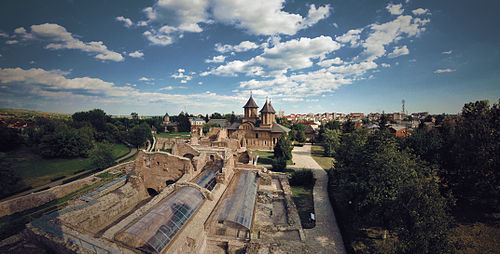
Târgovişte is a historical city located in southern Romania, serving as the county seat of Dâmbovița County. Positioned approximately 80 kilometers northwest of Bucharest, the city boasts a rich history that dates back to the Byzantine era. Târgovişte was once the capital of Wallachia and played a significant role during the reign of Vlad the Impaler, the notorious ruler who inspired the Dracula legend. The city is characterized by its impressive architectural heritage, including the ruins of the Princely Court, which was the residence of Wallachian princes. The site features the impressive Chindia Tower, a medieval watchtower that stands as a symbol of the city and offers a panoramic view of the surrounding area.
In addition to its historical significance, Târgovişte is known for its cultural institutions and educational establishments. The city is home to several museums, including the History and Art Museum, which showcases artifacts and exhibits detailing the region's past. Târgovişte also hosts the "George Coşbuc" University, contributing to the city’s role as an educational center. The local economy is diverse, with sectors such as textiles, food processing, and manufacturing playing prominent roles in its development. Natural attractions nearby, including the picturesque hills and the Dâmbovița River, enhance Târgovişte’s appeal as a destination for both tourists and residents. Today, Târgovişte continues to honor its rich traditions while evolving into a modern city, making it an important cultural and economic hub in Romania.
Facts about Târgovişte
- Târgovişte was the capital of Wallachia from the 14th to the 17th centuries, making it a significant historical and political center.
- The city is home to the renowned Princely Court (Curtea Domnească), which is a former royal residence and a significant landmark of medieval architecture.
- Târgovişte is famous for the Chindia Tower, a symbol of the city, originally built as part of the Princely Court in the late 15th century.
- The city boasts the UNESCO World Heritage Site of the Dâmbovița River valley, known for its picturesque landscapes and historical sites.
- Târgovişte played a crucial role in the Romanian Revolution of 1989, being one of the key locations of protests against the communist regime.
- The city hosts the Târgovişte Municipal Museum, which features artifacts and exhibits dedicated to the region's rich history and culture.
- Târgovişte is known for the legend of Vlad the Impaler, who is believed to have ruled from the city, contributing to its association with vampire folklore.
- Târgovişte is also recognized for its numerous churches and monasteries, with architecture reflecting various historical influences from the Byzantine to the Gothic.
- The city organizes the annual Târgovişte Medieval Festival, which celebrates its historical heritage with reenactments, traditional music, and crafts.
- Târgovişte is strategically located near the Carpathian Mountains, providing stunning natural scenery and outdoor activities, setting it apart from more urban centers.