Târgu-Mureş, Romania
- 146,863 people
- 15 places to visit
- 46.5386, 24.5514
Places to Visit (15)
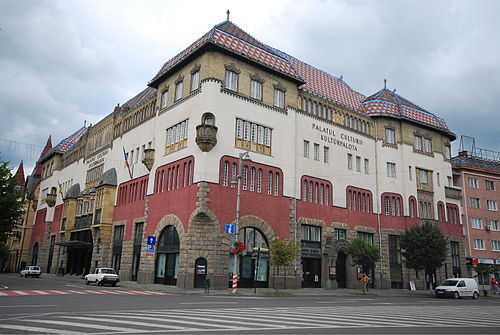
Târgu-Mureş is a prominent city in Romania, located in the central part of the country, within the Mureş County. The city serves as an important cultural and economic hub, with a population of approximately 134,000 residents. Historically, Târgu-Mureş, known as Marosvásárhely in Hungarian, has been a crucial point of convergence for various cultures, primarily due to its diverse ethnic composition and its geographical position. It was first documented in 1285, and over the centuries, it has experienced significant political and social changes, particularly influenced by the Austro-Hungarian Empire and later, Romania's integration into the European Union.
The city boasts a rich architectural heritage, featuring styles ranging from Gothic to Baroque, with notable landmarks such as the Târgu-Mureş Castle and the Reformed Church, characterized by its stunning bell tower. Târgu-Mureş is also home to educational institutions like theUniversity of Târgu Mureş, contributing to its reputation as a center for academic learning. Cultural life is vibrant, encompassing various festivals, galleries, and performing arts venues that reflect the diverse influences of its historical background. The city’s significant Hungarian community actively celebrates its traditions, highlighted during events like the Székely Festival, showcasing folk arts and local cuisine.
Moreover, Târgu-Mureş has developed into a modern urban center with robust infrastructure, including well-established medical facilities, shopping centers, and recreational spaces, catering to both residents and tourists. The city’s strategic location near the Mureș River and proximity to natural attractions, such as the Transylvania mountain range, enhances its appeal for outdoor activities. Târgu-Mureş is also noteworthy for its economic diversification, with sectors like manufacturing, services, and agriculture providing sustainable growth opportunities. The city's appealing combination of historical significance and contemporary development makes it a vital part of Romania's socio-economic landscape.
Facts about Târgu-Mureş
- Târgu-Mureş is known for its diverse architectural styles, including Gothic, Renaissance, and Art Nouveau, particularly visible in the Union Square area.
- The city hosts the Târgu-Mureş Fortress, a well-preserved bastion dating back to the 17th century, which is one of the few remaining military fortifications in Transylvania.
- It is home to the Mureş County Museum, which showcases a vast collection of artifacts related to the history and culture of the region.
- Târgu-Mureş has a rich multicultural heritage, with significant Romanian, Hungarian, and Saxon communities that contribute to its unique cultural landscape.
- The city features the Teleki-Bolyai Library, founded in the 18th century, which houses a rare collection of manuscripts and books, including works in multiple languages.
- Târgu-Mureş is renowned for its annual International Theatre Festival, which attracts performers and theatre companies from around the world, making it a cultural hub.
- It is also famous for its educational institutions, including the University of Medicine, Pharmacy, Sciences and Technology of Târgu-Mureş, one of Romania’s leading medical schools.
- The city organizes the Mureş International Festival, a significant event celebrating different genres of music and culture, fostering community engagement and tourism.
- Târgu-Mureş is notable for its Botanical Garden, which spans 6.5 hectares and features a rich diversity of plant species, serving as a peaceful retreat for locals and visitors alike.
- One interesting fact about Târgu-Mureş is its connection to the famous Romanian composer and conductor George Enescu, who was often inspired by the arts and culture of the city.