Târgu Secuiesc, Romania
- 20,067 people
- 8 places to visit
- 46.0006, 26.1346
Places to Visit (8)
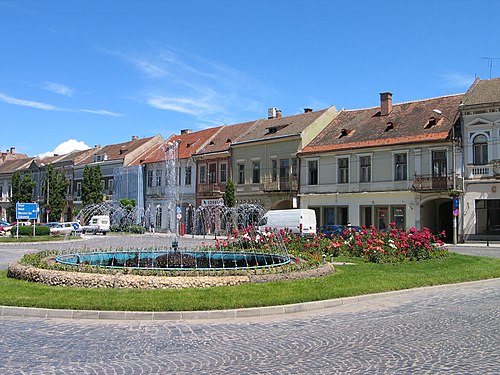
Târgu Secuiesc is a city located in Covasna County, central Romania, within the historical region of Transylvania. The city sits at an elevation of approximately 600 meters in the Southeastern Carpathians, surrounded by picturesque landscapes and mountains, which contribute to its charm. Târgu Secuiesc has a population of about 15,000 residents, predominantly of Hungarian descent, reflecting the diverse ethnic composition of the area. The city serves as a cultural and economic center for the Székely community, a Hungarian-speaking ethnic group that has historically inhabited this part of Romania.
Historically, Târgu Secuiesc emerged as a market town in the 14th century and officially received its town privileges in 1600. It played a significant role in the local economy, primarily through agriculture, crafts, and trade. The influence of Hungarian culture is evident in the architecture, traditions, and festivals that populate the city. Key landmarks include the St. Michael’s Church, built in the Baroque style, and the local museum, which features exhibits related to Székely history, culture, and art. The city is also known for the nearby hot springs and spa facilities that attract visitors seeking relaxation and wellness treatments.
In modern times, Târgu Secuiesc has diversified its economy while still maintaining its cultural identity. The region is known for its handicrafts, especially weaving and pottery, and hosts various cultural events that celebrate Hungarian traditions. The local economy benefits from agriculture, forestry, and small-scale industries, with a focus on sustainable development. The city serves as a gateway to natural attractions such as the Bodoc Mountains and the Baraolt Valley, making it a point of interest for outdoor enthusiasts and tourists exploring the scenic beauty of Transylvania.
Facts about Târgu Secuiesc
- Târgu Secuiesc is known for its significant Hungarian minority population, which contributes to the city's unique cultural heritage and traditions.
- The city hosts the 'Târgu Secuiesc International Theatre Festival', which attracts performers and spectators from various countries, promoting cultural exchange.
- Târgu Secuiesc is surrounded by the beautiful Carpathian Mountains, offering breathtaking landscapes and opportunities for outdoor activities such as hiking and skiing.
- The city features the impressive Reformed Church, built in the 14th century, which showcases stunning Gothic architecture and historical significance.
- Târgu Secuiesc has a rich textile and weaving tradition, with craftspeople known for their high-quality carpets and traditional costumes depicted in local folklore.
- The city is often referred to as the 'City of Markets' due to its historical role as a trade center in the region, hosting markets dating back several centuries.
- Târgu Secuiesc plays a vital role in promoting sports, especially through its local teams and hosting various sporting events throughout the year.
- The nearby Valcele Monastery is a significant religious site and a marvelous example of medieval architecture, attracting both tourists and pilgrims.
- The city is recognized for its commitment to preserving local traditions and has several cultural festivals that celebrate its Hungarian and Székely heritage.
- Târgu Secuiesc is also known for its strategic location, serving as a gateway to exploring the picturesque Transylvanian region of Romania.