Tarlac City, Philippines
- 183,930 people
- 9 places to visit
- 15.4755, 120.5963
Places to Visit (9)
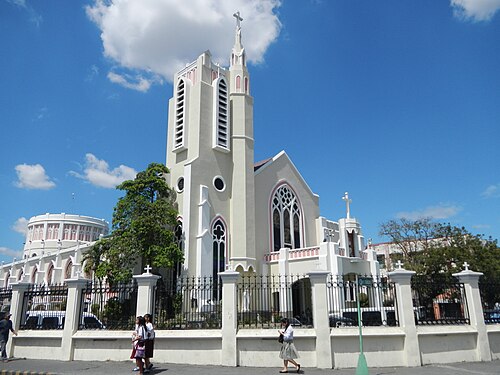
Tarlac City is a prominent urban center located in the province of Tarlac in the Philippines. It serves as the capital of the province and plays a significant role in the region's economic and cultural landscape. Known for its strategic location in Central Luzon, Tarlac City is approximately 130 kilometers north of Manila, making it easily accessible to both local and international travelers. It is bordered by the provinces of Pampanga and Nueva Ecija, offering a blend of agricultural and commercial opportunities. The city is characterized by its diverse population, which has contributed to a rich cultural tapestry that includes various festivities and traditions unique to the region.
Economically, Tarlac City has evolved into a commercial and industrial hub, with the establishment of shopping centers, educational institutions, and numerous businesses. The local economy thrives primarily on agriculture, with rice, corn, and sugarcane as major crops produced in the surrounding areas. Additionally, the city has seen growth in manufacturing and trade, supported by various infrastructure developments. Among its notable landmarks are the Aquino Center and Museum, which pays tribute to the Aquino family and their contributions to the country, and the sprawling CAPAS National Shrine, honoring Filipino soldiers who fought in World War II. Tarlac City is also known for its progressive governance, continuous improvements in public services, and responsive local leadership, which together build a foundation for sustainable development and urban growth. As a growing city, it reflects a harmonious blend of tradition and modernity, attracting residents and visitors alike with its vibrant community and promising future.
Facts about Tarlac City
- Tarlac City is known as the 'Gateway to the North' because it serves as a major entry point to the northern provinces of the Philippines.
- The city is home to the Aquino Center and Museum, which commemorates the life and legacy of former President Benigno Aquino Jr. and is a significant landmark in Philippine history.
- Tarlac City played a key role during the Philippine Revolution and the Philippine-American War, showcasing its historical significance in the fight for independence.
- The city celebrates the 'Tarlac City Fiesta' every September, which features vibrant parades, cultural presentations, and various local events highlighting Tarlac's rich culture and heritage.
- Tarlac City is notable for the Capas National Shrine, which honors Filipino and American soldiers who died during World War II, making it an important historical site.
- It is recognized for its agricultural activities and is a major producer of rice, corn, sugarcane, and other crops, contributing significantly to the local economy.
- The city also hosts the annual 'Tarlac City Run,' promoting fitness and wellness while fostering community spirit among residents and visitors.
- Tarlac City features diverse natural attractions, including the Tarlac Recreational Park, which offers various outdoor activities and stunning views of the surrounding landscape.
- The city has a unique blend of cultural influences, evident in its local cuisine, which includes dishes that reflect Ilocano, Pampango, and other regional flavors.
- Tarlac City is strategically located along the Tarlac-Pangasinan-La Union Expressway (TPLEX), enhancing its accessibility and fostering economic growth.