Târnăveni, Romania
- 28,634 people
- 8 places to visit
- 46.3293, 24.2936
Places to Visit (8)
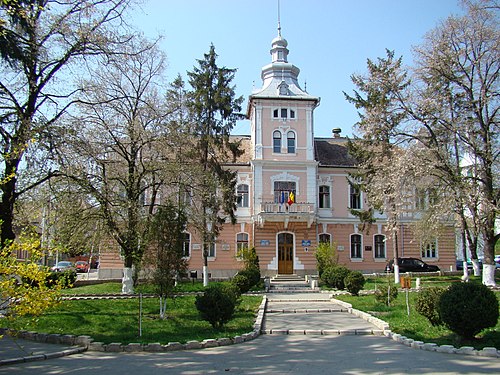
Târnăveni is a city situated in the central region of Romania, specifically within Mureș County. It lies approximately 20 kilometers south of the county seat, Târgu Mureș, and is nestled in the historical region of Transylvania. The city is located along the Târnava Mică River, which enhances its picturesque landscape and provides a scenic backdrop for the surrounding area. Târnăveni has a population of around 17,000 inhabitants, reflecting its status as a small but significant urban center with a diverse cultural heritage influenced by its Transylvanian roots.
Historically, Târnăveni has a rich background that dates back to medieval times when it was first documented in 1332. The city's evolution has seen it transform from a small settlement into a more developed urban area, particularly after the establishment of the local industry in the 19th century. The economy of Târnăveni has traditionally been based on agriculture, but over the years, it has also embraced manufacturing, particularly in textiles and construction materials. The city is known for its architectural heritage, which includes various styles, reflecting different historical periods, including the influence of both Hungarian and Romanian cultures.
Culturally, Târnăveni offers a blend of traditions and modernity, with various events, festivals, and local customs that showcase its rich cultural tapestry. The city hosts institutions such as schools and cultural centers that contribute to the education and the cultural development of its residents. Additionally, Târnăveni is well-connected by road and rail, making it accessible to nearby larger cities and promoting regional economic growth. As part of Romania's diverse landscape, Târnăveni stands as a testament to the country's cultural history and its ongoing development within the modern European context.
Facts about Târnăveni
- Târnăveni is known for its rich cultural diversity, with a significant presence of Hungarian and Romanian communities, which contributes to its unique local traditions and events.
- The city is home to the 14th-century Reformed Church, a stunning example of Gothic architecture in the region, showcasing intricate details and historical significance.
- Târnăveni hosts a unique annual event called the 'Days of Târnăveni', which celebrates local culture, music, and crafts, attracting visitors from different parts of the country.
- The town has a notable history in the glass manufacturing industry, earning it a reputation for producing high-quality glassware, especially in the late 19th and early 20th centuries.
- Târnăveni is located near the Mureș River, which has played a significant role in the historical development of the area, serving as a trade route since ancient times.
- The city has a rich history in the textile industry, with several factories that historically contributed to the local economy and employment.
- Târnăveni is known for its local folklore and traditions, including unique folk dances, music, and craftsmanship that reflect the area's ancestral heritage.
- The Târnăveni City Museum preserves the history and artifacts of the region, providing a glimpse into the past and showcasing the city's cultural evolution.
- Târnăveni is surrounded by natural beauty, with numerous hiking and outdoor opportunities in the nearby Apuseni Mountains, making it a desirable destination for nature lovers.
- The city has a vibrant community life with various local festivals and markets that promote traditional goods, foods, and artisanal crafts, differentiating it from larger urban centers.