Tarnobrzeg, Poland
- 50,459 people
- 13 places to visit
- 50.5729, 21.6791
Places to Visit (13)
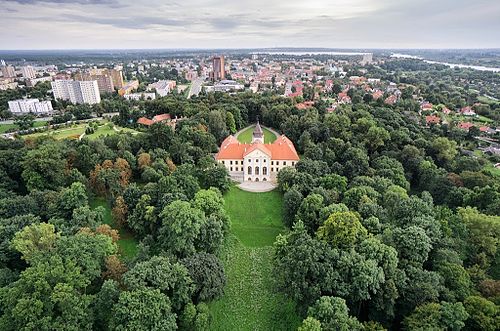
Tarnobrzeg is a city located in southeastern Poland, situated along the Vistula River in the Subcarpathian Voivodeship. Established in the 14th century, Tarnobrzeg's history is characterized by its strategic location and rich cultural heritage. Its economy initially flourished due to the discovery of mineral resources, particularly salt and later, lead and zinc. The city played a significant role in the regional trade routes and quickly developed into an important commercial center. Today, Tarnobrzeg is known for its blend of historical architecture and modern developments, with landmarks such as the 17th-century Church of St. Bartłomiej and the ruins of the Tarnobrzeg castle, which reflect the city's rich past.
The population of Tarnobrzeg is approximately 47,000 residents, making it a mid-sized Polish city. The local economy has diversified over the years, emphasizing industry, services, and tourism. The city's strategic location provides easy access to major transportation routes, further enhancing its economic prospects. Moreover, Tarnobrzeg is surrounded by picturesque natural landscapes, including several parks and nature reserves, which contribute to its appeal as a destination for outdoor enthusiasts. Significant community projects and events promote cultural heritage, fostering local pride and community spirit. As a growing urban center, Tarnobrzeg continues to develop while honoring its historical roots, making it a unique place in Poland's diverse tapestry.
Facts about Tarnobrzeg
- Tarnobrzeg is located along the Vistula River and is part of the Subcarpathian Voivodeship in southeastern Poland.
- The city is known for the historic Tarnobrzeg Castle, built in the 16th century, which showcases Renaissance architecture.
- Tarnobrzeg was granted city rights in 1593, and its development was significantly influenced by the nearby salt and lead mines.
- The city is renowned for its unique archaeological significance, having a rich heritage of early medieval settlements in the region.
- Tarnobrzeg is home to the Tadeusz Kościuszko Park, which is one of the largest urban parks in the region, featuring a lake and walking paths.
- The city's climate attracts gem enthusiasts; it is famous for its local natural sites designed for recreational mining of gemstones and minerals.
- Each summer, Tarnobrzeg hosts the 'Tarnobrzeg Jazz Fest,' attracting international musicians and jazz lovers from across Poland and beyond.
- It has a diverse population with a mixture of cultures and religions, a reflection of various historical influences in the region.
- The city played a significant role in the Polish anti-communist movements during the 1980s, specifically with the presence of the Solidarity trade union.
- Tarnobrzeg is positioned strategically as a transport hub, linking various major routes and therefore facilitating commerce and tourism.