Tarnów, Poland
- 117,799 people
- 11 places to visit
- 50.0121, 20.9858
Places to Visit (11)
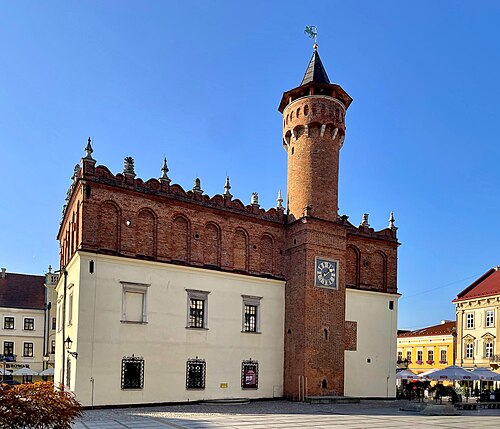
Tarnów is a historical city situated in southeastern Poland, within the Lesser Poland Voivodeship. It is located on the banks of the Biała River and lies approximately 80 kilometers east of Kraków. With a population of around 60,000, Tarnów is one of Poland’s oldest cities, with roots tracing back to the 11th century. The city's development flourished in the Middle Ages, when it became a significant economic and cultural center. Tarnów was granted municipal rights in 1330, and its strategic location along trade routes contributed to its growth and prosperity over the centuries.
The architectural heritage of Tarnów reflects its historical significance, with numerous monuments and buildings showcasing various styles ranging from Gothic to Renaissance. Notable sites include the Tarnów Cathedral, notable for its impressive baroque interior, and the 14th-century Gothic Church of St. Mary. The city's main square, the Rynek, is a vibrant area surrounded by historic townhouses and the Town Hall, which has been a focal point of municipal life for many years. Tarnów also played a crucial role during the 19th century, serving as a dynamic cultural hub that contributed to Polish literature and arts. The town is famously associated with writer and critic Zygmunt Kaczkowski, and it hosts various cultural events and festivals throughout the year, celebrating its rich heritage.
In addition to its cultural significance, Tarnów is recognized for its educational institutions and economic activities. The city is home to several schools, including the Tarnów School of Arts, which nurtures artistic talents. The local economy is diverse, with sectors such as manufacturing, services, and agriculture contributing to its stability. Tarnów is also known for its beautiful natural surroundings, with access to parks and green spaces, attracting locals and visitors alike. The blend of historical charm, cultural vitality, and modern-day conveniences makes Tarnów an appealing destination for those interested in exploring Poland's rich past and vibrant present.
Facts about Tarnów
- Tarnów is known for its well-preserved historical architecture, including a remarkable collection of Renaissance-style buildings that are rare in Poland.
- The city was an important Jewish cultural center in the pre-war era, with a significant Jewish population and historical sites such as the old Jewish cemetery and the Bima at the former synagogue.
- Tarnów is often referred to as the 'Pearl of the Polish Renaissance' due to its unique artistic heritage and numerous historic monuments.
- The Tarnów Salis Family Palace, built in the 16th century, showcases the Renaissance style and serves as a symbol of the city's rich noble heritage.
- Tarnów hosts the annual 'Tarnowskie Oblężenie' (Tarnów Siege), a historical reenactment festival that attracts visitors interested in Polish history and medieval culture.
- The city is the birthplace of many notable Poles, including writer and Nobel Prize laureate Włodzimierz Odojewski.
- Tarnów is home to the Diocesan Museum, which houses a unique collection of religious art and artifacts, including works by artists from various epochs.
- The city's Old Town features a charming market square with colorful houses and local shops, making it a vibrant place for tourists and locals alike.
- In 1910, Tarnów became the first city in Poland to have the first municipal gas lighting, showcasing its early commitment to modernization.
- Tarnów is situated on the banks of the River Biała, providing scenic views and opportunities for outdoor activities along its picturesque riverside.