Tarsus, Turkey
- 346,715 people
- 7 places to visit
- 36.9166, 34.8952
Places to Visit (7)
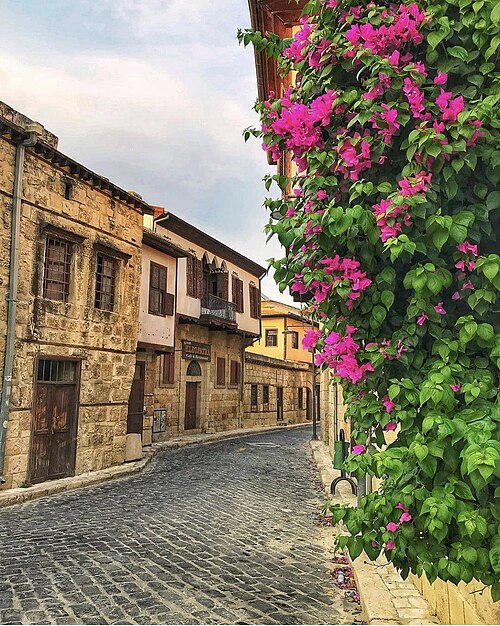
Tarsus is a historic city located in the Mersin Province of southern Turkey, near the Mediterranean coast. Known for its rich cultural heritage, Tarsus lies on the banks of the Tarsus River and serves as an important hub for agriculture and trade in the region. The city boasts a history that stretches back to ancient times, with evidence of habitation dating back to the Bronze Age. Tarsus was an important center during various empires, including the Hittites, Assyrians, Persians, and Romans, which contributed to its diverse cultural tapestry.
One of Tarsus's most significant claims to fame is its association with several prominent historical figures, most notably Saint Paul. According to Christian tradition, Tarsus is the birthplace of Paul the Apostle, a major figure in early Christianity. The city features various archaeological sites, including the ruins of ancient Roman roads, Byzantine churches, and the remnants of an aqueduct, reflecting its strategic importance throughout history. The Tarsus Amphitheatre, which dates back to the Roman period, is one of the largest in Turkey and exemplifies the city's rich architectural heritage.
In addition to its ancient sites, Tarsus is known for its natural beauty. The surrounding area features lush landscapes, fertile plains, and Mediterranean climate conditions that support agriculture, particularly citrus and olive production. Visitors can explore the nearby Taurus Mountains, which offer opportunities for hiking and outdoor activities. Today, Tarsus combines its historical significance with modern developments, making it a lively destination for both tourists and residents. The blend of history, culture, and natural beauty continues to attract interest in Tarsus, ensuring its place as a vital part of Turkey's heritage.
Facts about Tarsus
- Tarsus is famously known as the birthplace of Saint Paul, one of the most significant figures in Christianity.
- The city of Tarsus has a rich history that dates back to ancient times, being mentioned in both Hittite and Assyrian texts, and having been an important settlement during the Roman Empire.
- Tarsus is home to the ancient city of Tarsis, which is believed to be linked to the biblical Tarshish, a location noted for its riches and trade in antiquity.
- The Cleopatra Gate, an impressive historical structure, is located in Tarsus, named after the famous Egyptian queen who reportedly visited the city.
- The Tarsus Waterfall, known locally as Tarsus Şelalesi, is a scenic natural attraction that draws visitors to its picturesque setting, making it unique in the region.
- The city features an ancient archaeological site known as the Tarsus Ancient Roman Road, which showcases the remnants of Roman infrastructure and is not commonly found in other Turkish cities.
- Tarsus has remained a cultural melting pot over centuries, having been ruled by various empires including the Hittites, Persians, Romans, Byzantines, and Ottomans.
- Tarsus is recognized for its unique culinary heritage, particularly its local dishes such as tantuni, a traditional wrap made with spiced meat, which is distinct to the region.
- The city is set near the Taurus Mountains, offering breathtaking natural landscapes and opportunities for outdoor activities that are distinctive from other urban centers in Turkey.
- Tarsus hosts an annual festival dedicated to the cultural heritage of the city, highlighting its historical significance and local traditions, setting it apart from many other Turkish cities.