Tartu, Estonia
- 91,407 people
- 16 places to visit
- 58.378, 26.729
Places to Visit (16)
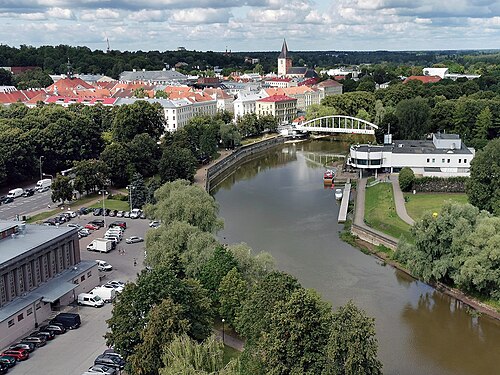
Tartu is the second-largest city in Estonia, known for its rich history, vibrant culture, and as a center of education and scholarship. Located in the eastern part of the country, along the Emajõgi River, Tartu has played a significant role in Estonian national identity and intellectual life. The city was first mentioned in written records in 1030, and over the centuries, it has undergone various transformations. Tartu was part of the Hanseatic League, a medieval trading alliance, and later came under Swedish and Russian rule, influencing its architectural and cultural landscapes. The city's urban layout features a mix of historic buildings, including the iconic Tartu Cathedral ruins and the Town Hall Square, alongside modern developments.
As a university town, Tartu is home to the prestigious University of Tartu, established in 1632. This institution has contributed profoundly to Estonia's cultural and intellectual life, producing notable alumni, including several presidents and prime ministers. The city hosts a lively student population, which fosters a dynamic atmosphere filled with cafes, bars, and cultural events. Tartu is also known for its museums, such as the Estonian National Museum, which showcases the country's history and culture. Annual festivals, like the Tartu Music Festival, further enrich the city’s cultural offerings. With its combination of academic prowess, historical significance, and modern amenities, Tartu serves as a key hub for education, research, and the arts in Estonia.
Facts about Tartu
- Tartu is home to the oldest university in Estonia, the University of Tartu, founded in 1632, making it a center of education and research in the region.
- The city is known as the 'Town of Good Thoughts' (Heade Mõtete Linn), reflecting its vibrant intellectual atmosphere and cultural heritage.
- Tartu hosts the annual Tartu Love Festival, a unique event focused on celebrating relationships and love through various activities, making it distinct from other Estonian cities.
- The Tartu Peace Treaty, signed in 1920, established the boundaries of Estonia and is considered a significant historical event for the country; it took place in Tartu.
- Tartu is renowned for its rich literary history, being the birthplace of several famous Estonian writers, including Jaan Kross and Paul-Eerik Rummo.
- The city features the unique Tartu Old Observatory, one of the oldest observatories in Northern Europe, used for astronomical studies since the 19th century.
- Tartu's annually held 'Tartu Hanseatic Days' celebrates the city's historical ties with the Hanseatic League, offering unique insights into its medieval commerce.
- The Estonian National Museum, located in Tartu, showcases Estonia's cultural history, making it a prominent cultural landmark not found in other cities.
- Tartu's Layout is notable for its large number of parks and greenery, setting it apart from many other urban areas in Estonia.
- The city is known for its vibrant street art scene, particularly in areas like the Tartu Street Art Festival, contributing to its reputation as a creative hub in Estonia.