Tasikmalaya, Indonesia
- 741,760 people
- 10 places to visit
- -7.3506, 108.2172
Places to Visit (10)
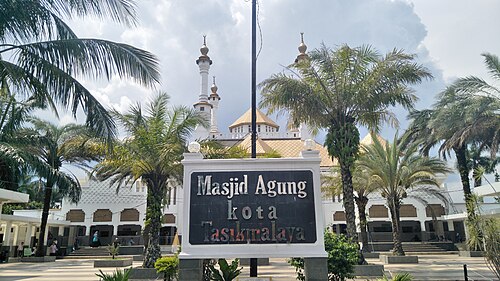
Tasikmalaya is a city located in West Java, Indonesia, approximately 120 kilometers southeast of the capital, Jakarta. Known for its natural beauty and cultural richness, it serves as the administrative center of the Tasikmalaya Regency. With a population of around 600,000 people, it is a bustling urban area featuring a blend of traditional and modern Indonesian life. The city is situated at an elevation of about 400 meters above sea level, surrounded by lush hills and mountains, including the Wayang Windu Mountain, which contributes to its aesthetically pleasing landscape.
Tasikmalaya is renowned for its textile industry, particularly the production of batik, a traditional Indonesian fabric that is celebrated for its intricate designs and vibrant colors. The city has cultivated a reputation for excellence in batik craftsmanship, drawing artisans from various regions. Beyond textiles, Tasikmalaya is also known for its culinary offerings, featuring a variety of local dishes such as nasi liwet, a fragrant rice dish, and several types of traditional snacks. The economy of Tasikmalaya is largely driven by agriculture, trade, and small manufacturing businesses.
Culturally, Tasikmalaya is diverse, with a mix of Sundanese customs and Islamic heritage, evident in its architecture, festivals, and daily life. The city hosts annual events that showcase traditional dance, music, and art, fostering a strong community spirit. Tasikmalaya is also a gateway to natural attractions, including waterfalls, hot springs, and the scenic Citarum River. The area's rich cultural history and natural resources make it a significant destination for both domestic and international tourists, providing insight into Indonesia's unique traditions and natural environment. As Tasikmalaya continues to develop, it balances growth with preserving its cultural identity and natural resources.
Facts about Tasikmalaya
- Tasikmalaya is known as the 'City of a Thousand Pesantrens', highlighting its significant number of Islamic boarding schools.
- It is home to the famous Situ Gede, a picturesque lake that serves as a popular recreational spot and is important for local biodiversity.
- The city is recognized for its unique traditional crafts, particularly Batik Tasikmalaya, which features distinctive patterns and colors reflective of local culture.
- Tasikmalaya played a crucial role during the Indonesian National Revolution, serving as a stronghold for the resistance against Dutch colonialism.
- The city is known for its vibrant coffee culture, with many local cafés and coffee shops showcasing the rich flavors of Sundanese coffee.
- Tasikmalaya is located near the geographic center of Java Island, making it a strategic location for trade and transportation within the region.
- The annual Tasikmalaya Arts Festival celebrates local art, music, and culture, attracting visitors from across Indonesia and promoting local talents.
- The city's local cuisine, including dishes like 'nasi liwet' and 'karedok', reflects its Sundanese heritage and is cherished by both locals and visitors.
- Tasikmalaya has a unique dance known as 'Jaipongan' that embodies the local culture and is performed at various traditional ceremonies and events.
- The region around Tasikmalaya is known for its stunning natural landscapes, including the stunning Gunung Galunggung, an active volcano that offers hiking trails and beautiful views.