Tatabánya, Hungary
- 65,849 people
- 15 places to visit
- 47.5692, 18.4048
Places to Visit (15)
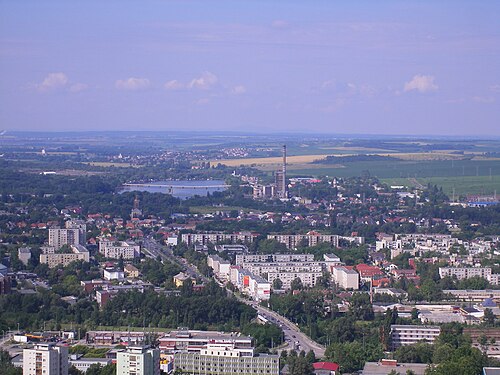
Tatabánya is a city located in northern Hungary, serving as the seat of the Tatabánya district in Komárom-Esztergom county. Positioned approximately 60 kilometers northwest of Budapest, it is strategically situated near the borders of the country’s mountainous regions and the flat plains of the Great Hungarian Plain. The city has a rich industrial history, primarily centered around coal mining and heavy industry, with significant developments occurring during the 20th century. As a result, Tatabánya became a prominent industrial hub, contributing significantly to Hungary’s economic growth during the Communist era. The decline of coal mining in the late 20th century, however, led to economic challenges and a shift toward the diversification of industries, including commerce and services.
Culturally, Tatabánya boasts a variety of attractions and institutions. The city is home to several educational establishments, including vocational training centers and a university, which help to foster a skilled workforce suited to modern industries. Tatabánya also reflects an interest in preserving its cultural heritage, with various historical sites, including the notable Turul Monument, which symbolizes national pride and freedom. Visitors can also explore the nearby Bánhida District, known for its beautiful natural landscapes and recreational opportunities, such as hiking in the surrounding hills. The city hosts various cultural events and festivals throughout the year, contributing to a vibrant community life. As a result of its industrial past and ongoing development, Tatabánya is a city that embodies the dynamic changes of Hungary’s economic landscape, while also celebrating its rich cultural heritage and sense of community.
Facts about Tatabánya
- Tatabánya is known for its unique geological feature, the Monument of the Turul, a large bird statue that symbolizes the Hungarian national identity and is visible from great distances.
- The city has a rich industrial heritage, particularly in coal mining and heavy industry, which has shaped its economic and cultural landscape since the late 19th century.
- Tatabánya features a one-of-a-kind geological park, the 'Kőhegy' (Stone Hill), offering visitors insights into the region's geological history along with various hiking opportunities.
- It is home to the famous Tatabánya Football Club, which has a rich history and is well-regarded in Hungarian football, contributing to the city’s cultural identity.
- Tatabánya is also known for its extensive network of caves, including the 'Szelim Cave', which is a protected natural area and popular among spelunkers and nature enthusiasts.
- The city hosted the Hungarian National Shooting Championship multiple times, adding to its reputation in sports and community events.
- Tatabánya has a unique local cuisine that features traditional Hungarian dishes with a distinctive twist, often emphasizing locally sourced ingredients and recipes.
- Each year, Tatabánya organizes 'Tatabánya Days,' a cultural festival celebrating the city’s heritage with performances, exhibitions, and local crafts.
- The city is strategically located at the intersection of major transportation routes, making it an important hub for trade and travel in Hungary.
- Tatabánya boasts a robust educational system with institutions focusing on vocational training, particularly in fields related to its industrial history.