Taurage, Lithuania
- 21,203 people
- 9 places to visit
- 55.2504, 22.291
Places to Visit (9)
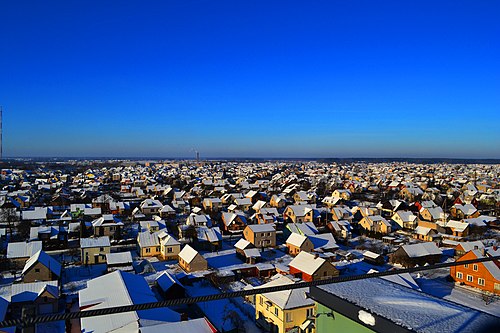
Tauragė is a city located in the southwestern part of Lithuania, serving as the capital of Tauragė County. Established in the 18th century, Tauragė has grown from a small administrative center into a dynamic urban area. Positioned on the banks of the Jūra River, the city covers an area of approximately 12 square kilometers and has a population of around 25,000 residents. The location has historically made it an important hub for trade and transport, situated along major roads that connect various regions of Lithuania and neighboring countries.
The city's architecture reflects a blend of historical and modern influences. One of the most notable landmarks is the Tauragė Castle, a structure built in the 19th century that showcases the area's rich history. Additionally, the city features various churches, including the St. Elizabeth Catholic Church, which is known for its distinctive Neo-Gothic style. Tauragė also has a vibrant cultural scene, hosting events such as the annual Tauragė City Festival, which celebrates local traditions through music, art, and cuisine. The region is also recognized for its natural beauty, with parks and recreational areas that offer opportunities for outdoor activities, including hiking and cycling.
Economically, Tauragė has diversified over the years. While it has traditionally been associated with agriculture, the city has seen growth in industries like food processing and manufacturing. Small businesses thrive in the city, contributing to its local economy. Educational institutions, such as vocational schools and primary schools, serve the community's needs, while healthcare services ensure that residents have access to essential care. With its unique blend of history, culture, and economic growth, Tauragė plays a significant role in the social and economic landscape of Lithuania.
Facts about Taurage
- Taurage is known for its unique local dialect, which is distinct from the Lithuanian language and reflects influences from the surrounding regions.
- The city is home to the Taurage Castle, a historical stronghold built in the 16th century that has been reconstructed and is a key landmark in the area.
- Taurage is the only city in Lithuania named after the mythical bull, emphasizing its cultural connection to regional folklore.
- The town hosts the annual Taurage Fair, a significant event that showcases local crafts, cuisine, and cultural performances, attracting visitors from across the country.
- Taurage is recognized for its role in the production of high-quality natural honey, contributing to Lithuania's reputation as a producer of diverse and unique honey varieties.
- The city has a dedicated Teddy Bear Museum, which is a unique attraction that explores the history of teddy bears and related memorabilia, appealing to visitors of all ages.
- Unlike many larger Lithuanian cities, Taurage is surrounded by lush forests and parks that provide ample opportunities for outdoor activities and promote ecotourism.
- Taurage was the first city in Lithuania to have a public library, founded in 1913, which highlights its early commitment to education and culture.
- The city's location near the border with Poland has historically made it a melting pot of cultures, influencing its architecture, traditions, and local cuisine.
- Taurage is renowned for the annual Taurage Region Culture Festival, which celebrates the area's traditions, music, dance, and local artisans, showcasing the city's vibrant cultural identity.